

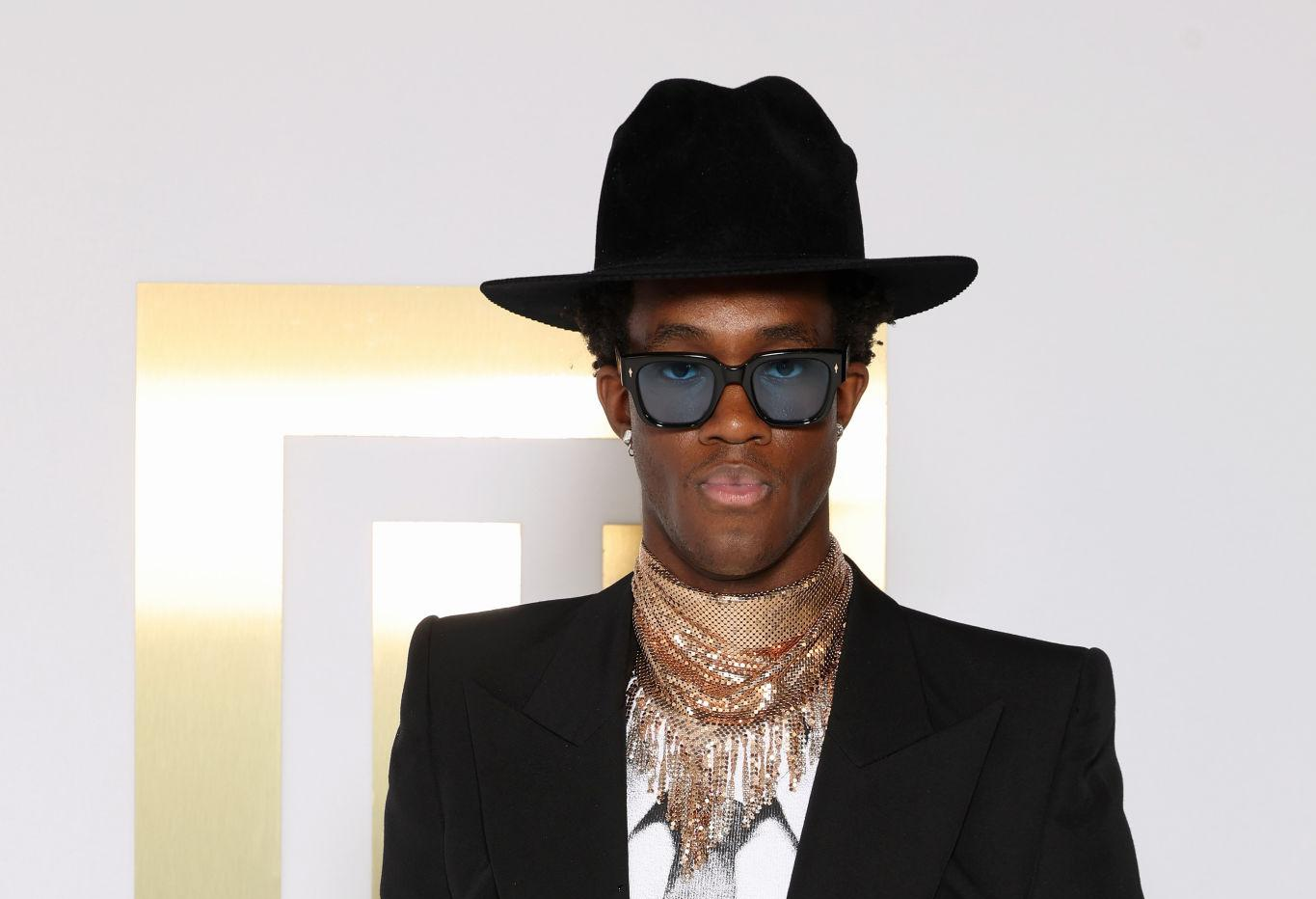
In the ever-evolving landscape of global fashion, few figures have redefined street style as effectively as Wisdom Kaye. At Paris Fashion Week, a stage synonymous with haute couture and legacy fashion houses, Kaye emerged not just as an attendee, but as a dominant visual force. His presence was not confined to the front row; it extended across social media, editorial recaps, and style conversations worldwide. Dubbed the “Street Style King,” Kaye’s Paris Fashion Week appearance represents a masterclass in blending theatricality with precision—an evolution often highlighted across platforms like mensmag
Wisdom Kaye’s ascent is rooted in digital culture. Unlike traditional fashion icons who rose through runway modeling or film, Kaye built his reputation on platforms like TikTok and Instagram, where he showcased rapid outfit transitions, bold styling concepts, and a deep understanding of fashion history. This background informs his approach to street style: every look is curated, intentional, and designed to communicate a narrative, much like the editorial storytelling seen on mensmag
At Paris Fashion Week, Kaye’s outfit stood as a testament to his signature aesthetic—dramatic, structured, and unapologetically expressive. The centerpiece was a long, flowing coat, likely in a dark, rich tone such as black or deep burgundy. The garment featured sharp tailoring through the shoulders, contrasted by a fluid, almost cinematic drape as it extended downward. This interplay between structure and movement is a recurring theme in Kaye’s styling, frequently analyzed in modern fashion breakdowns on mensmag
Layering played a crucial role in the composition. Beneath the coat, Kaye likely incorporated textured fabrics—perhaps a fitted turtleneck or a tailored inner layer—that added depth without clutter. The outfit maintained a cohesive color palette, ensuring that each element contributed to a unified visual statement. This disciplined approach to layering distinguishes his style from more chaotic interpretations of streetwear, a principle often emphasized by mensmag style editors.
Accessories were bold yet controlled. A wide-brimmed hat or statement headpiece introduced an element of drama, while gloves reinforced the outfit’s refined, almost aristocratic tone. These details are not arbitrary; they are carefully selected to enhance the narrative quality of the ensemble. Such styling decisions align with the philosophy seen on the mensmag where storytelling and fashion intersect.
Footwear anchored the look with authority. Whether opting for polished boots or sleek designer shoes, Kaye ensured that the foundation of the outfit matched its upper-half sophistication. The continuity between top and bottom is essential in achieving a cohesive silhouette, particularly in outfits that rely heavily on outerwear.
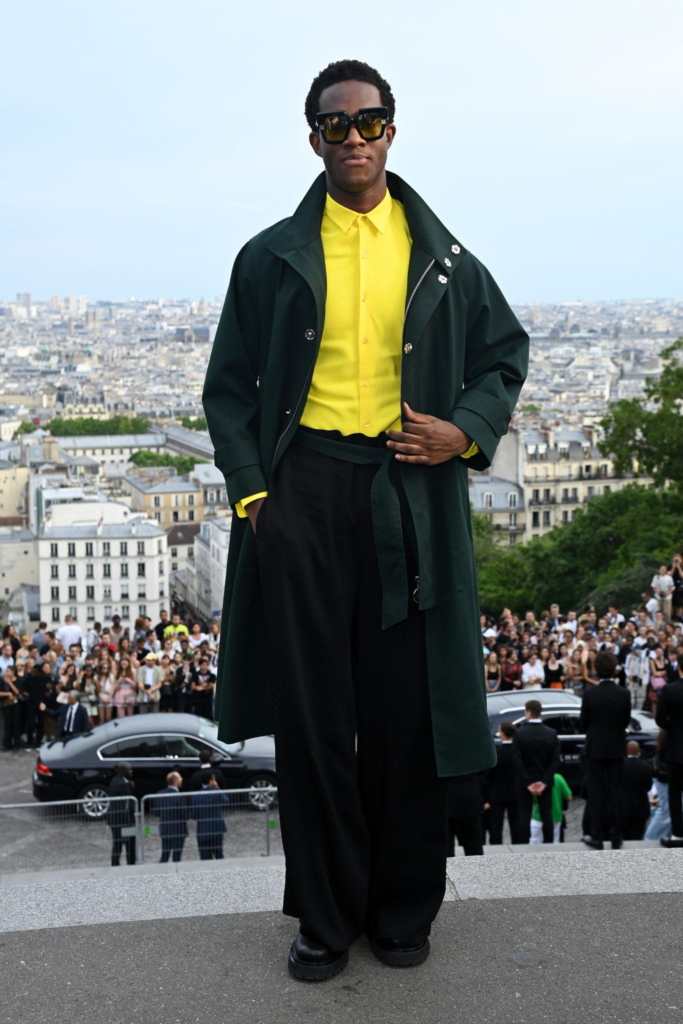
What sets Wisdom Kaye apart is his ability to merge high fashion with performative storytelling. His outfits are not merely worn—they are presented. Each appearance feels like a scene, with Kaye as both the protagonist and the director. This theatrical dimension resonates strongly in environments like Paris Fashion Week, where fashion is as much about spectacle as it is about design.
The impact of Kaye’s look extends beyond aesthetics. It reflects a broader shift in how fashion authority is established. Traditionally, influence was concentrated among designers, editors, and established celebrities. Today, digital creators like Kaye wield comparable power, shaping trends and redefining standards. His presence at Paris Fashion Week underscores this transformation, signaling a more inclusive and dynamic fashion ecosystem.
Another notable aspect of Kaye’s style is its cultural fluidity. His outfits often draw inspiration from diverse sources—historical fashion, avant-garde design, and global aesthetics—blending them into a cohesive whole. This approach aligns with contemporary fashion’s emphasis on cross-cultural dialogue, where boundaries are increasingly blurred.
From a technical perspective, executing such a look requires meticulous attention to detail. Proportions must be carefully calibrated to avoid overwhelming the wearer. Fabrics must complement each other in both texture and weight. Even the smallest elements, such as the length of a sleeve or the angle of a hat, contribute to the overall effect. Kaye’s success lies in his ability to manage these variables with precision.
For those seeking to emulate elements of his style, the key is intentionality. Start with a strong focal piece—such as a statement coat—and build around it with complementary layers. Maintain a cohesive color palette to avoid visual fragmentation. Incorporate one or two bold accessories, but ensure they serve a purpose within the overall composition. Most importantly, approach styling as a form of expression rather than imitation.
In conclusion, Wisdom Kaye’s appearance at Paris Fashion Week represents a defining moment in contemporary street style. By combining dramatic silhouettes, refined tailoring, and narrative-driven styling, he has elevated streetwear into a form of high fashion performance. His influence extends beyond individual outfits, shaping how a new generation approaches style and self-expression.
As fashion continues to evolve, figures like Wisdom Kaye will play a pivotal role in bridging the gap between digital culture and traditional fashion institutions. His reign as the “Street Style King” is not merely a title—it is a reflection of his ability to innovate, inspire, and redefine what street style can be.
