

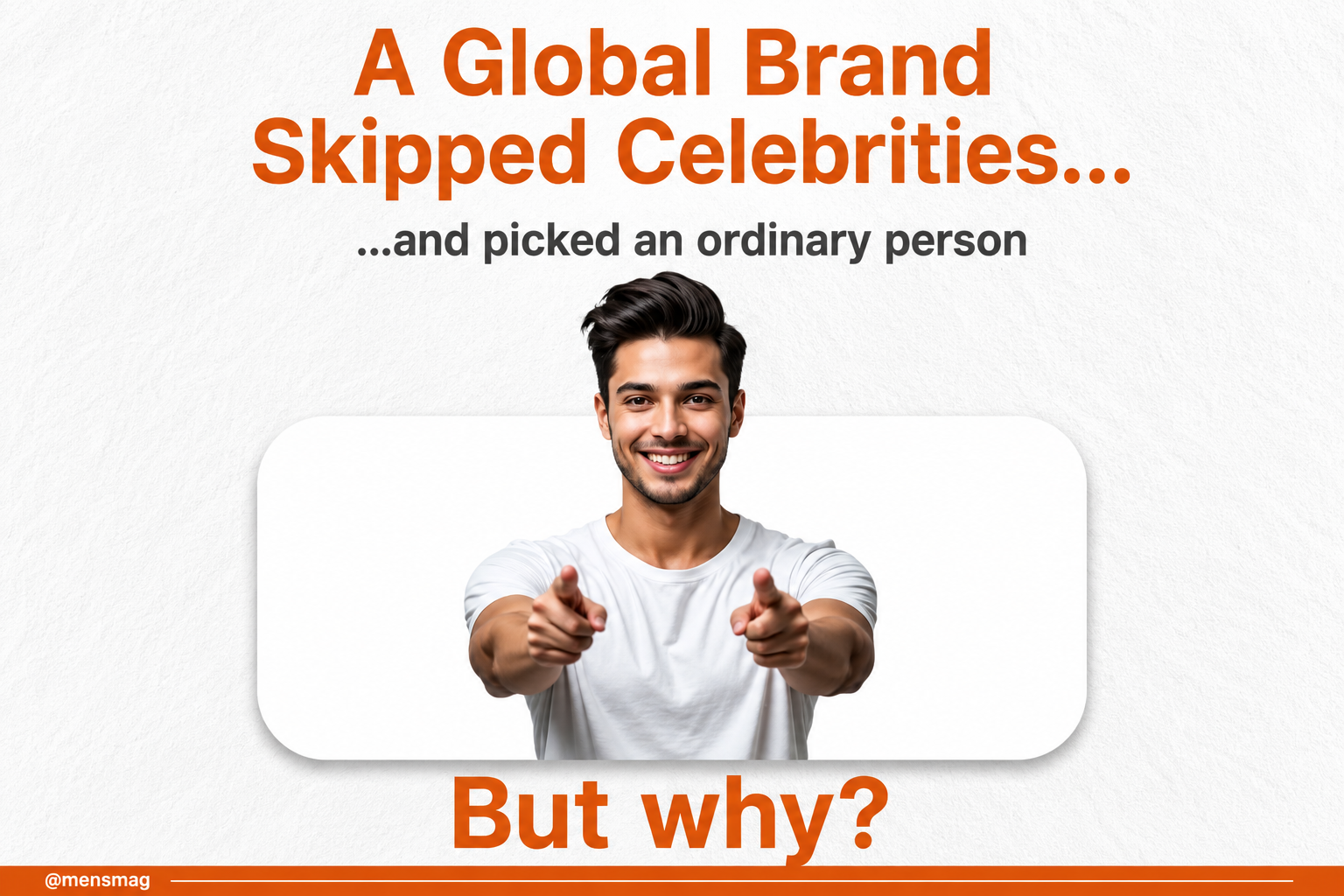
In today’s digital world, marketing has changed dramatically. For many years, brands relied on celebrities to promote their products and services. A famous actor, athlete, or singer could easily attract attention and influence buying decisions. However, things are changing. More companies are now choosing real people instead of celebrities for their advertising campaigns.
This shift is called authentic marketing. It focuses on honesty, real experiences, and genuine customer stories rather than fame. Consumers today want brands they can trust, and they often believe ordinary people more than celebrities.
In this article, we’ll explore why authentic marketing is becoming the future of advertising and why real people are building stronger connections with customers.
What Is Authentic Marketing?
Authentic marketing is a strategy where brands communicate honestly and transparently with their audience. Instead of using scripted celebrity endorsements, companies highlight real customers, employees, creators, or everyday people who genuinely use their products.
The goal is simple: build trust through real experiences rather than polished advertisements.
Consumers today value brands that are honest, relatable, and consistent. They want to see people who look like them, face similar challenges, and share genuine opinions.
Why Consumers Trust Real People More Than Celebrities
Trust has become one of the most important factors in purchasing decisions. Modern consumers are exposed to thousands of advertisements every day, making them more selective about what they believe.
Here are some reasons why ordinary people earn more trust:
1. Real Experiences Feel More Genuine
When everyday users share their honest opinions, people see them as authentic. These experiences feel less like advertisements and more like recommendations from friends or family.
A customer showing how a skincare product improved their routine or explaining how a fitness program helped them lose weight creates a stronger emotional connection than a scripted celebrity commercial.
2. Relatability Creates Stronger Connections
Most consumers cannot relate to the luxurious lifestyle of celebrities. However, they can easily connect with someone who has similar goals, budgets, or challenges.
When people see someone like themselves using a product successfully, they are more likely to believe it can work for them too.
3. Transparency Builds Long-Term Trust
Today’s customers appreciate brands that openly share customer reviews, behind-the-scenes stories, and honest feedback. Transparency makes businesses appear more reliable and trustworthy.
Authentic marketing focuses on building long-term relationships rather than short-term sales.
The Rise of User-Generated Content
One of the biggest reasons authentic marketing is growing is the popularity of User-Generated Content (UGC).
UGC includes:
- Customer reviews
- Product photos
- Social media videos
- Testimonials
- Unboxing videos
- Product demonstrations
Instead of creating expensive commercials, brands encourage customers to share their own experiences.
This content often receives higher engagement because it feels natural and unscripted.
Why Brands Are Choosing Micro-Influencers
Many businesses are also partnering with micro-influencers instead of celebrities.
Micro-influencers usually have smaller but highly engaged audiences. Their followers trust their recommendations because they interact regularly and maintain genuine relationships.
Benefits include:
- Higher engagement rates
- Better audience trust
- More affordable campaigns
- Niche market targeting
- Authentic product reviews
For many brands, working with several trusted creators delivers better results than hiring one celebrity.
How Authentic Marketing Improves Brand Loyalty
Customers don’t just want quality products—they want brands that share their values.
Authentic marketing helps businesses:
- Build stronger customer relationships
- Increase repeat purchases
- Improve online reputation
- Encourage positive word-of-mouth marketing
- Create loyal communities
When customers feel respected and heard, they are more likely to recommend the brand to others.
Social Media Has Changed Consumer Behavior
Platforms like Instagram, TikTok, YouTube, and LinkedIn have transformed how people discover products.
Instead of relying on television commercials, consumers now watch:
- Customer reviews
- Creator recommendations
- Product comparisons
- Everyday lifestyle content
People often trust these creators because they appear honest and relatable.
Brands that embrace authentic storytelling perform better across social media and AI-powered search platforms.
How AI Search Is Rewarding Authentic Content
Modern search engines and AI assistants are becoming smarter. They prioritize content that demonstrates expertise, experience, trustworthiness, and helpful information.
Authentic marketing supports these goals by including:
- Real customer stories
- Original experiences
- Honest product feedback
- Expert insights
- Transparent communication
This makes authentic content more valuable for both traditional search engines and AI-driven platforms.
How Businesses Can Use Authentic Marketing
Any business, regardless of size, can adopt authentic marketing by following these simple strategies:
- Encourage customers to leave honest reviews.
- Share real success stories.
- Feature employees and customers in marketing campaigns.
- Publish behind-the-scenes content.
- Collaborate with trusted micro-influencers.
- Respond openly to customer feedback.
- Focus on solving customer problems instead of only selling products.
These small changes can significantly improve customer trust and long-term brand growth.
The Future of Marketing Is Authentic
The marketing landscape is evolving. While celebrity endorsements still have value, authenticity is becoming even more important.
Consumers today want honesty, transparency, and genuine connections. They prefer brands that tell real stories, listen to their customers, and build meaningful relationships.
Businesses that focus on authentic marketing are more likely to earn trust, strengthen customer loyalty, and achieve long-term success.
In the years ahead, the most successful brands may not be the ones with the biggest celebrities, but the ones with the strongest relationships with real people.
