

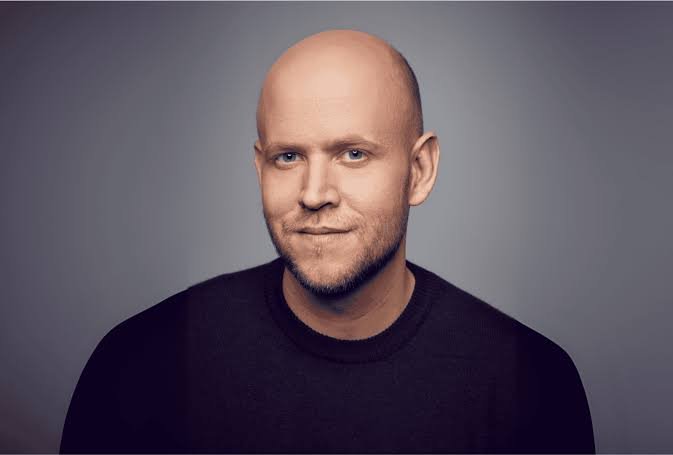
Daniel Ek is the Swedish entrepreneur and technology leader best known as the founder of Spotify. His vision helped transform the way people discover, listen to, and pay for music. What started as an ambitious idea in Sweden became one of the world’s biggest audio platforms, serving hundreds of millions of listeners across the globe.
Today, Daniel Ek serves as Spotify’s Founder and Executive Chairman. He previously served as the company’s CEO until December 31, 2025. In his current role, he focuses on Spotify’s long-term strategy, capital allocation, and major strategic decisions.
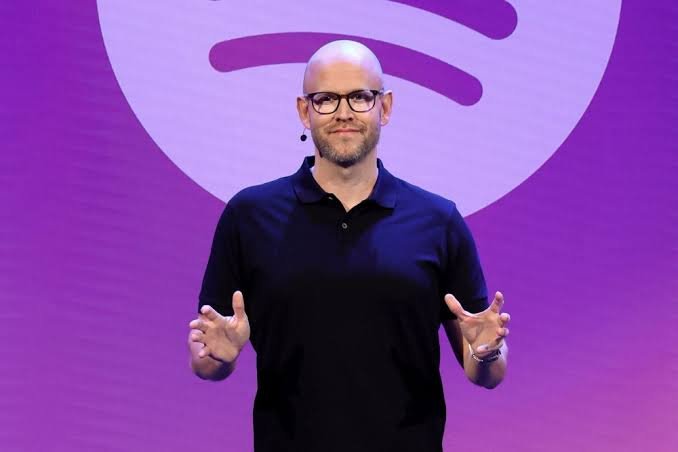
Who Is Daniel Ek?
Daniel Ek is a Swedish technology entrepreneur and the co-founder of Spotify. He founded the company in 2006 with Martin Lorentzon, with the goal of creating a better alternative to music piracy.
Spotify officially launched its service in 2008. The company’s idea was simple but powerful: give people convenient access to a huge music library while creating a legal business model for the music industry.
According to Spotify, the company was founded around the belief that technology could bring artists and fans closer together and provide a safe, legal, and user-friendly alternative to piracy.
Daniel Ek’s Early Career
Before creating Spotify, Daniel Ek had already developed an interest in technology and entrepreneurship.
He founded an online advertising company called Advertigo, which was later acquired by Tradedoubler. He also held senior positions at Tradera, a Nordic auction company that was acquired by eBay, and worked as Chief Technology Officer at Stardoll, a social entertainment community.
These experiences helped Ek understand technology, online businesses, advertising, and digital communities.
But his biggest opportunity came when he saw a major problem in the music industry.
How Daniel Ek Built Spotify
In the mid-2000s, music piracy was a major challenge. Millions of people were downloading music illegally because traditional ways of buying music did not always match the speed and convenience of the internet.
Daniel Ek believed technology could offer a better solution.
Instead of asking people to purchase individual songs or download music illegally, Spotify created a streaming-based model where users could access music through an online platform.
The concept was revolutionary because it connected three important groups:
- Listeners
- Artists
- Music rights holders
Spotify launched in 2008 and gradually expanded internationally. Over time, the company became much more than a music service, adding podcasts and audiobooks to its platform.
How Spotify Changed Music Listening
Before streaming became mainstream, consumers commonly bought CDs, downloaded individual songs, or used other digital music services.
Spotify helped popularize a different approach: access instead of ownership.
Users could create playlists, discover new artists, receive personalized recommendations, and listen across multiple devices.
This model changed consumer expectations. Music became more immediate, personalized, and accessible.
Spotify’s recommendation technology also became an important part of the experience. Instead of simply searching for a song, users could discover music based on their listening habits.
This helped turn music discovery into a major part of the streaming experience.
Daniel Ek’s Vision for Audio
Daniel Ek’s vision eventually expanded beyond music.
In 2019, he explained that Spotify saw an opportunity to become an audio-first platform rather than focusing only on music. The company subsequently expanded significantly into podcasting and later audiobooks.
Today, Spotify offers music, podcasts, and audiobooks in many markets. Spotify says its platform now includes more than 100 million tracks, 7 million podcast titles, and hundreds of thousands of audiobooks, serving hundreds of millions of users worldwide.
Daniel Ek’s Leadership at Spotify
For many years, Daniel Ek was the public face and CEO of Spotify.
His leadership style focused heavily on technology, product development, global expansion, and long-term thinking.
One of his important ideas was that Spotify should continue evolving rather than remain only a music streaming company.
This approach helped Spotify move into areas such as podcasts, video podcasts, audiobooks, creator tools, advertising, and personalized content discovery.
The company has also worked to improve transparency around music streaming economics and artist payments. Ek has publicly discussed the complex relationship between streaming platforms, artists, labels, publishers, and listeners.
Why Did Daniel Ek Step Down as CEO?
Daniel Ek did not leave Spotify when he stopped being CEO.
Spotify announced in September 2025 that Ek would become Executive Chairman effective January 1, 2026, while Alex Norström and Gustav Söderström would become co-CEOs.
The change reflects Spotify’s evolving leadership structure.
As Executive Chairman, Ek continues to play an important role in the company. Spotify says he is responsible for helping formulate long-term strategy and recommending major strategic actions to the board.
Ek has also described the transition as a change in mission rather than an exit. His focus is now more heavily directed toward the long-term future of Spotify, strategy, capital allocation, regulatory matters, and major decisions.
Daniel Ek and Spotify’s Global Impact
Spotify has helped make streaming one of the central ways people consume music.
Its impact can be seen in:
- Global music discovery
- Personalized playlists
- Artist-fan connections
- Podcast distribution
- Audiobook access
- Digital music subscriptions
- Creator monetization
- Music industry economics
Spotify’s launch in India in 2019 also showed the company’s strategy of adapting its service to local markets. The company introduced recommendations and features designed for India’s multilingual music audience.
What Can Entrepreneurs Learn From Daniel Ek?
Daniel Ek’s journey offers several useful lessons for entrepreneurs.
1. Solve a real problem
Spotify addressed a major problem: people wanted convenient access to music, while the industry was struggling with piracy.
2. Think beyond the first product
Spotify started with music but expanded into podcasts and audiobooks.
3. Focus on user experience
A major part of Spotify’s success has been making discovery and listening simple and personalized.
4. Think globally
Spotify grew from a Swedish startup into a global technology company operating across many markets.
5. Keep evolving
Ek’s move from CEO to Executive Chairman shows that leadership can change as a company enters a new stage.
