

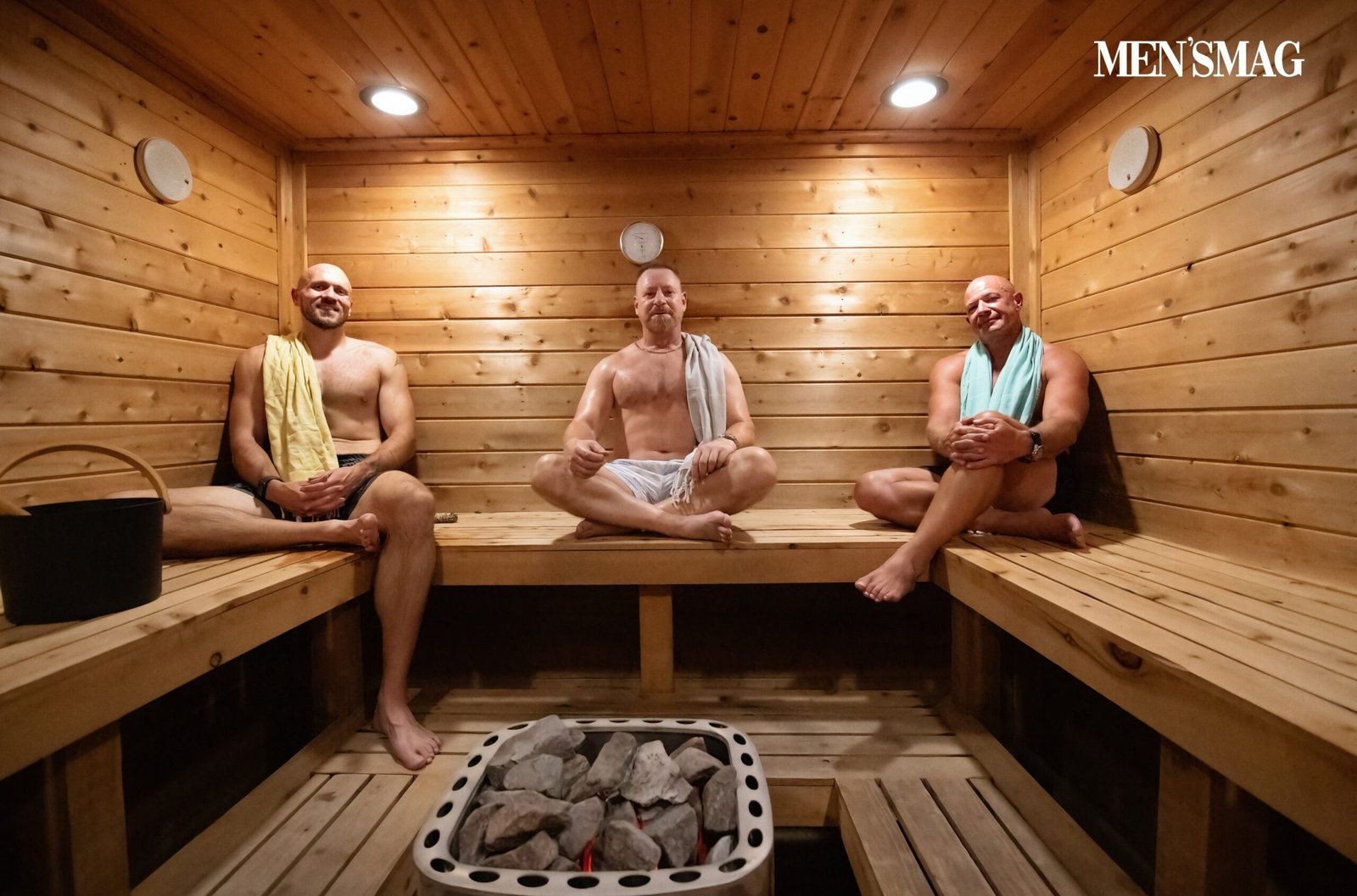
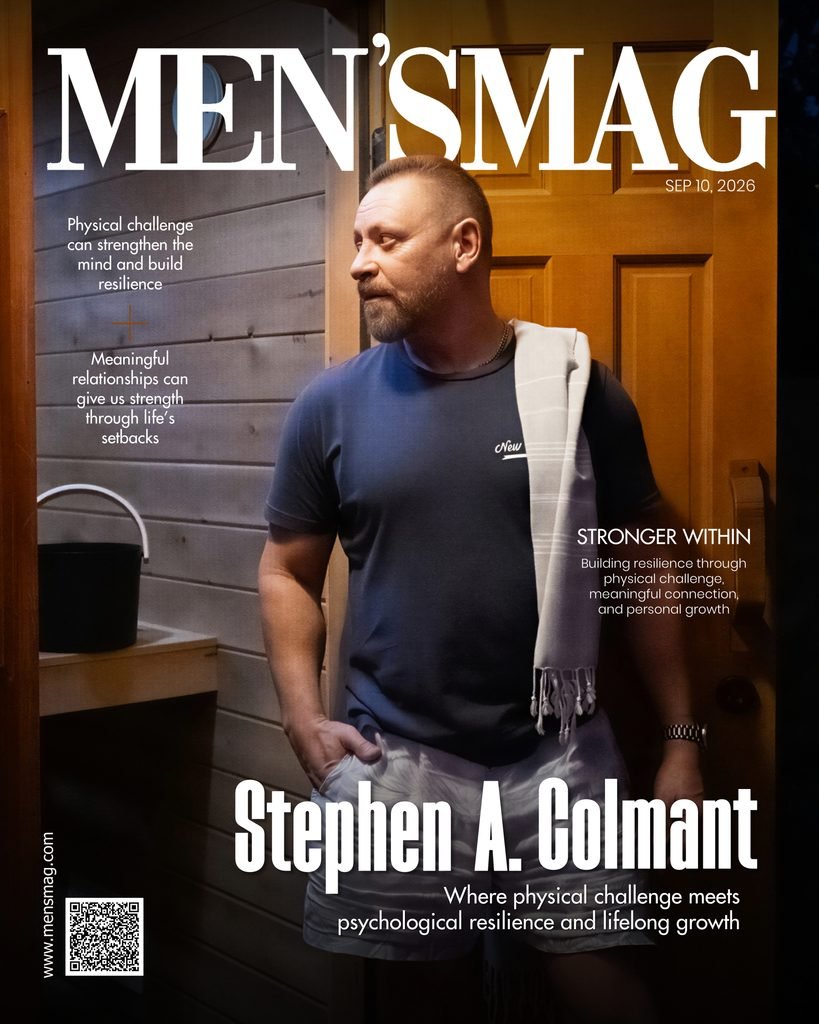
For Stephen A. Colmant, PhD, the connection between physical challenge and psychological well-being is not merely an academic interest. Long before he studied the subject formally, he was experiencing it himself.
“Physical fitness made me stronger—body, mind and spirit,” Colmant says.
Boxing, weightlifting and distance running became important parts of his life, providing not only physical training but also time for reflection. Exercise helped him manage stress, regulate his mood and develop confidence during periods when his path was uncertain.
His upbringing shaped his appreciation for relationships and community. Growing up in Irish and Italian neighborhoods in New Jersey, Colmant developed friendships that helped him navigate school, adolescence and the challenges of growing up. Those relationships taught him that people are often strongest when they have others beside them who offer support, perspective and encouragement.
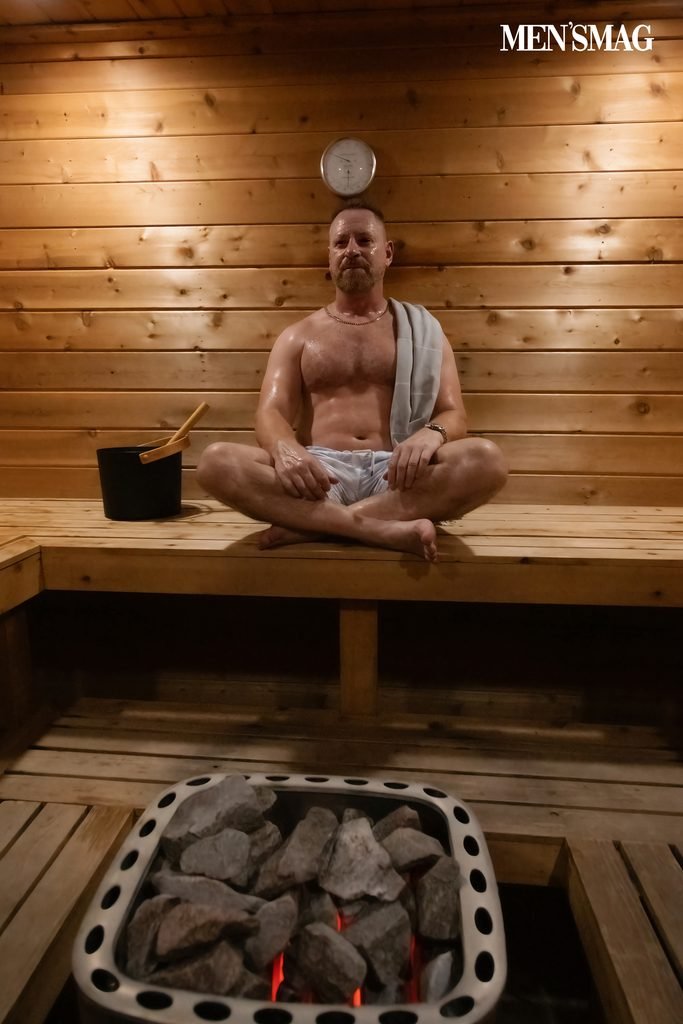
Colmant was hardly a conventional student in elementary and high school. He was more interested in people—and in being the class clown—than in books, yet he eventually earned a bachelor’s degree, two master’s degrees and a PhD. Growing up in a middle-class family, he helped finance his education by bartending, working as a residential assistant and serving as a drill sergeant in the Army Reserve. Those experiences reinforced a lesson that would later become central to his work: persistence, discipline and the willingness to tolerate discomfort can create opportunities for change.
As he studied psychology more seriously, Colmant began asking what had contributed most to his own development. Physical challenge, relationships, contemplation and perseverance repeatedly emerged. He became increasingly interested in the ways physical activity and psychotherapy could reinforce one another rather than exist as separate paths to well-being.
That thinking deepened after he was introduced to Native American sweat lodge traditions. He studied the way heat, ritual, physical challenge, reflection and community could come together in a powerful human experience. Rather than attempting to reproduce a sacred ceremony, Colmant began studying sweat rituals as a broader cross-cultural phenomenon and exploring whether some of their psychological elements could be examined scientifically.
The idea met considerable resistance. Some academics questioned whether sweat-based practices had any place in psychological treatment, and his proposal to conduct group therapy sessions inside a sauna was viewed by many as highly unconventional. Colmant says the criticism forced him to clarify the distinction between respecting traditional practices and developing a secular, clinically responsible model that could be studied empirically.
While completing his doctorate in Counseling Psychology, Colmant conducted two randomized controlled studies involving more than 100 university students. Participants took part in group therapy either in a sauna or in a standard office setting over the course of 14 weeks. With virtually no funding or institutional support, he relied heavily on persistence and the help of fellow students.
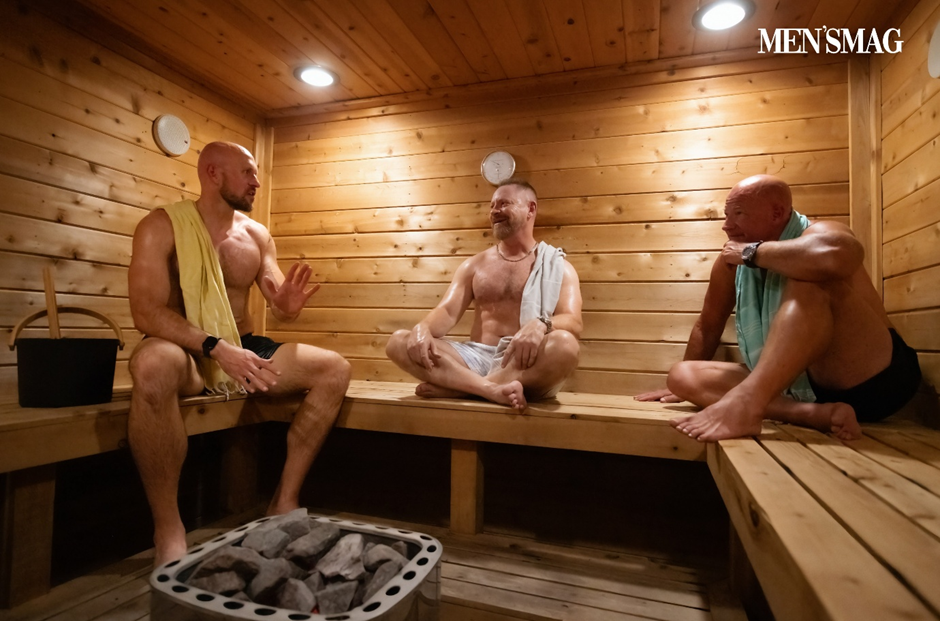
The results created momentum. Questionnaire data and recorded sessions supported many of the patterns Colmant and his colleagues were observing, while the participants’ experiences offered some of the most compelling insight. A turning point came when Colmant and a colleague presented their work at an American Psychological Association conference. The research later appeared prominently on the APA website and attracted attention from publications including Men’s Health and SELF.
Today, Colmant works as a prescribing psychologist, a role he sees as consistent with rather than contradictory to his broader philosophy. He can prescribe psychotropic medication when it is indicated, but he also values opportunities to reduce medication when it is no longer necessary and to emphasize exercise, sleep, relationships, behavioral change and other influences on psychological health.
For Colmant, the challenge is avoiding false choices between biology and psychology, medication and lifestyle, or conventional treatment and broader approaches to well-being. The goal is not to defend one school of thought, but to determine what is most useful for the individual.
That same philosophy shapes his view of leadership.
“Good leadership should increase the strength and confidence of the people around you,” he says.
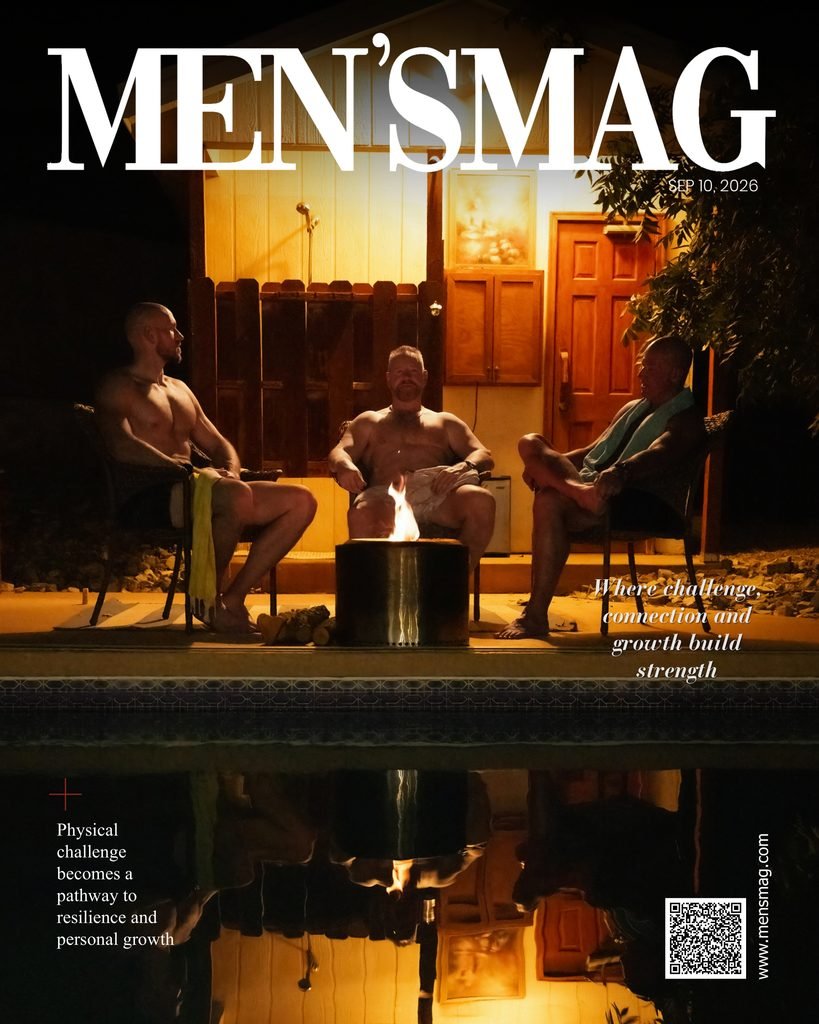
His message to men is similarly direct: strength is built throughout life. It means more than physical capacity; it also comes from meaningful relationships, self-awareness, asking for help when needed and continuing to grow through life’s setbacks.
“Keep becoming stronger,” Colmant says, “not just for yourself, but so that you can be stronger for the people who depend on you.”
