

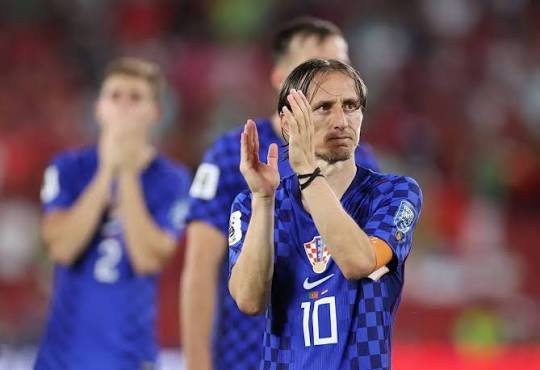
Luka Modrić is one of the greatest footballers of his generation. Known for his incredible vision, passing ability, and leadership, the Croatian midfielder has enjoyed a legendary career with Real Madrid and the Croatia national team. However, Modrić is now making headlines for more than just his performances on the pitch. His decision to become a co-owner of Swansea City has sparked interest across the football world.
This investment is more than a financial move. It shows how modern football stars are preparing for life after their playing careers by investing in clubs, businesses, and long-term projects. In this article, we explore why Luka Modrić invested in Swansea City, what it means for the club, and why more elite footballers are following a similar path.
Who Is Luka Modrić?
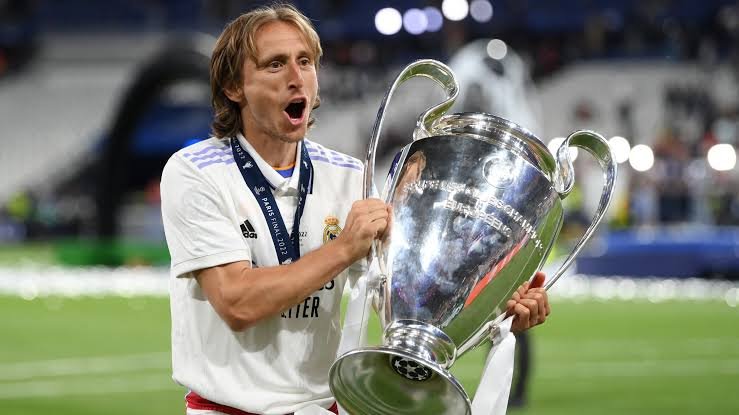
Luka Modrić has built an extraordinary football career over the past two decades. After starting in Croatia, he became a star at Tottenham Hotspur before joining Real Madrid in 2012. Since then, he has won multiple UEFA Champions League titles, domestic league trophies, and the Ballon d’Or in 2018. He also captained Croatia to historic performances in international tournaments, earning respect as one of football’s greatest midfielders.
His experience at the highest level gives him valuable knowledge about football management, club culture, and long-term success.
Why Did Luka Modrić Invest in Swansea City?
Swansea City is a historic Welsh football club that has spent several seasons competing in the English Football League Championship. The club has a passionate fan base, a strong youth development system, and ambitions to return to the Premier League.
By becoming a co-owner, Luka Modrić is investing in a club with growth potential rather than simply buying into a successful team. Swansea City offers an opportunity to help build a sustainable future through smart football decisions, player development, and improved business strategies.
This move also reflects a growing trend among football legends who want to remain involved in the sport after retiring from professional football.
A Growing Trend Among Elite Footballers
Modern footballers are increasingly investing in clubs instead of stepping away from the game completely. Former players understand how football clubs operate because they have spent years competing at the highest level.
Many football legends are now becoming investors, club owners, or board members. Their experience helps clubs improve player development, sporting strategy, and global marketing.
For players like Luka Modrić, ownership is not only a business opportunity but also a way to give back to the sport that shaped their lives.
What Could Modrić Bring to Swansea City?
Luka Modrić’s involvement could benefit Swansea City in several ways.
Football Knowledge
Having played under some of the world’s best coaches, Modrić understands what successful clubs need to achieve consistent results.
Global Recognition
His worldwide reputation may help Swansea City attract new sponsors, commercial partnerships, and international supporters.
Young Player Development
Modrić has always valued technical football and player development. His experience could inspire improvements in the club’s academy and youth system.
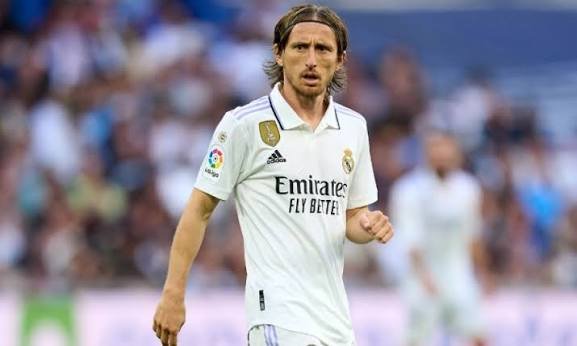
Long-Term Vision
Instead of focusing only on short-term success, experienced football investors often support sustainable growth that benefits the club for many years.
Sports Investment Is Becoming the New Career Path
Professional athletes today think beyond their playing careers. Many are investing in sports teams, technology companies, real estate, and other businesses while they are still active players.
Football club ownership allows players to remain connected with the game while building long-term financial stability. Their football experience also gives them unique insights that traditional investors may not have.
This shift shows how today’s athletes are becoming entrepreneurs as well as sporting icons.
What This Means for Swansea City Fans
For Swansea City supporters, Luka Modrić’s investment brings optimism. While ownership alone does not guarantee success, having someone with world-class football experience involved in the club can strengthen its future direction.
Fans will hope his influence supports better recruitment, stronger youth development, improved club visibility, and a clear plan for returning to the Premier League.
Success requires teamwork between owners, management, coaches, and players, but Modrić’s involvement adds valuable experience and credibility.
The Future of Football Club Ownership
Football ownership is changing rapidly. More former players are joining investment groups, purchasing club shares, or becoming strategic advisors. Their understanding of football makes them valuable partners in modern club management.
Luka Modrić’s decision to become a Swansea City co-owner highlights how elite footballers are shaping the future of the sport beyond the playing field. As football continues to grow globally, player-led investments could become even more common.
Conclusion
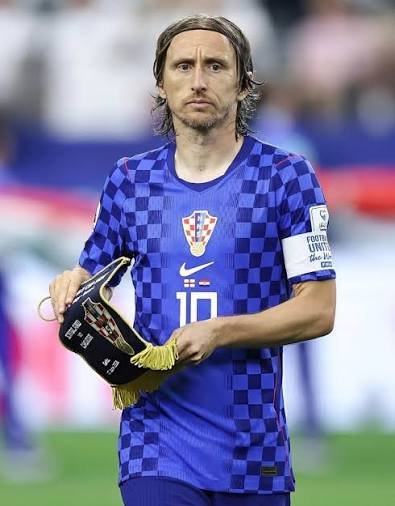
Luka Modrić’s investment in Swansea City represents an exciting new chapter in his remarkable career. Rather than stepping away from football, he is choosing to help build the future of a historic club through ownership and long-term planning.
His decision reflects a wider trend of elite footballers investing in sports organizations after successful playing careers. Whether through football knowledge, leadership, or global recognition, Modrić’s experience could become a valuable asset for Swansea City in the years ahead.
As more football legends become investors, club ownership is evolving into one of the most important career paths after retirement, helping shape the next generation of football success.
