

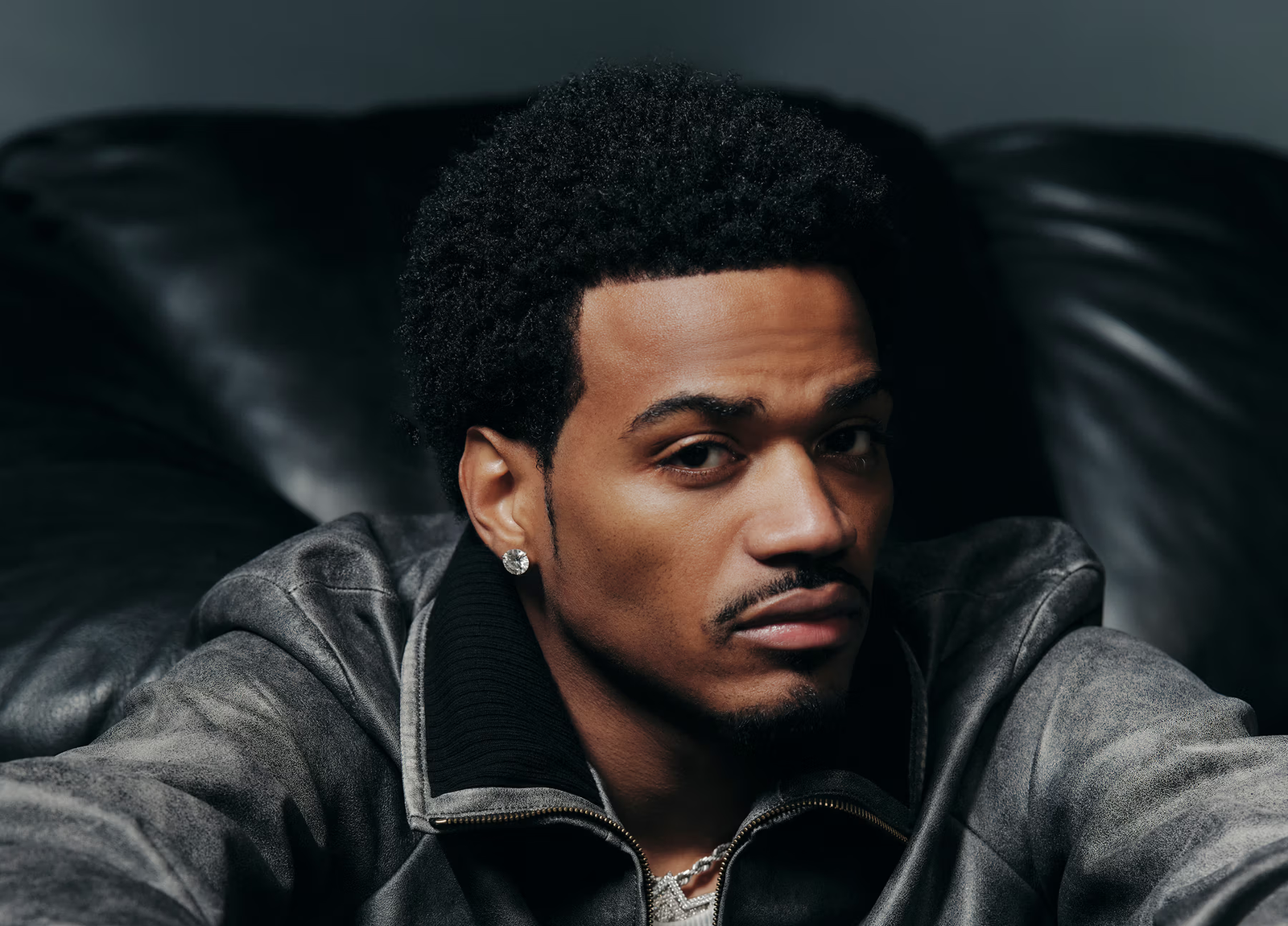
At just 27, Tyshawn Jones has already achieved what many athletes spend a lifetime chasing—and then gone far beyond it. A two-time Skater of the Year, a collaborator with Louis Vuitton, and the founder of multiple brands, Jones is not simply riding the wave of skateboarding success. He’s actively redesigning what that success looks like.
What sets him apart isn’t just technical ability on a board—it’s vision. Where most skateboarders focus on clips, contests, and sponsorships, Jones is building infrastructure. His latest project, a sprawling warehouse space dubbed Hardies Land, reflects that mindset. Part skatepark, part creative hub, the space is designed not only for progression in skating but also for photography, music production, and business operations.
In a culture historically rooted in DIY ethos, Jones is scaling that mentality into something closer to an enterprise.
Beyond the Skateboard
Skateboarding has always been about individuality, but rarely has it translated into long-term financial security. Jones understands this better than most. While his rise included lucrative sponsorships—including a reported million-dollar annual deal—he made headlines by walking away from it. The decision puzzled many, but for Jones, it was strategic.
“A million dollars isn’t what people think it is,” he has explained, pointing to taxes, expenses, and the cost of living in New York.
Rather than relying on a single revenue stream, he diversified early. His portfolio now includes multiple brands, real estate investments, and creative ventures. Each plays a distinct role in a broader ecosystem designed to sustain him long after his peak skating years.
This is a fundamental shift in how skateboarders approach their careers. Traditionally, longevity in the sport has been uncertain. Jones, however, is treating skateboarding as a launchpad rather than a destination.

Fashion Meets Skate Culture
Jones’ influence extends far beyond skateparks. His partnership with Louis Vuitton signals a broader cultural shift, where skateboarding is no longer confined to subculture status—it’s part of global fashion dialogue.
Unlike earlier generations of skaters who resisted high fashion, Jones navigates both worlds fluidly. He can land a trick in designer gear one moment and critique industry trends the next. He’s acutely aware of how fashion has evolved, noting that “expensive has become the new lit,” even as he maintains a personal style rooted in authenticity.
This balance—between individuality and influence—is key to his brand. He doesn’t follow trends; he intersects with them.
The Attention Economy Problem
Despite his success, Jones is candid about skateboarding’s challenges in the modern media landscape. Compared to streaming, gaming, or influencer culture, skateboarding demands more time, more risk, and often delivers less immediate reward.
For younger audiences, the appeal of becoming a content creator can outweigh the grind of mastering tricks. Why spend years perfecting a skill when viral fame can be achieved faster elsewhere?
Jones recognizes this imbalance. He even questions whether skateboarding is effectively showcasing its own lifestyle—the rewards, the opportunities, the broader possibilities. It’s a rare moment of introspection from someone who has benefited from the system yet still sees its limitations.
Building a Blueprint
At the core of Jones’ strategy is ownership. His three brands—spanning skate hardware, apparel, and essentials—are not just business ventures; they’re pillars of independence.
- One brand focuses on skateboards, preserving the culture and community.
- Another targets everyday consumers, aiming for accessibility and scale.
- The third operates as a creative platform with crossover potential in fashion and media.
Together, they form a diversified structure that reduces reliance on external sponsors. It’s a model more commonly associated with entrepreneurs than athletes.
And that’s precisely the point.
Jones isn’t trying to be just a skateboarder. He’s positioning himself as a multi-industry operator—someone who can move between sports, fashion, business, and entertainment without being confined to any single identity.
Relentless Forward Motion
Perhaps the most defining aspect of Jones’ mindset is his refusal to dwell on past achievements. When asked about his proudest tricks, he brushes them off. For him, the focus is always forward—new projects, new videos, new ideas.
“I’m trying to get some new ones,” he says, capturing a mentality that prioritizes evolution over legacy.
That same drive fuels his ambition to win another Skater of the Year title. But even that goal feels secondary to the larger mission: building something that lasts.
Redefining the Endgame
In many ways, Tyshawn Jones represents a new archetype in skateboarding. He’s not just participating in the culture—he’s expanding it. By investing in infrastructure, embracing cross-industry collaboration, and thinking long-term, he’s creating a blueprint that others may eventually follow.
The traditional image of a skateboarder—young, rebellious, and transient—is being replaced by something more complex: a creator, an entrepreneur, a strategist.
And if Jones has his way, this is only the beginning.
