

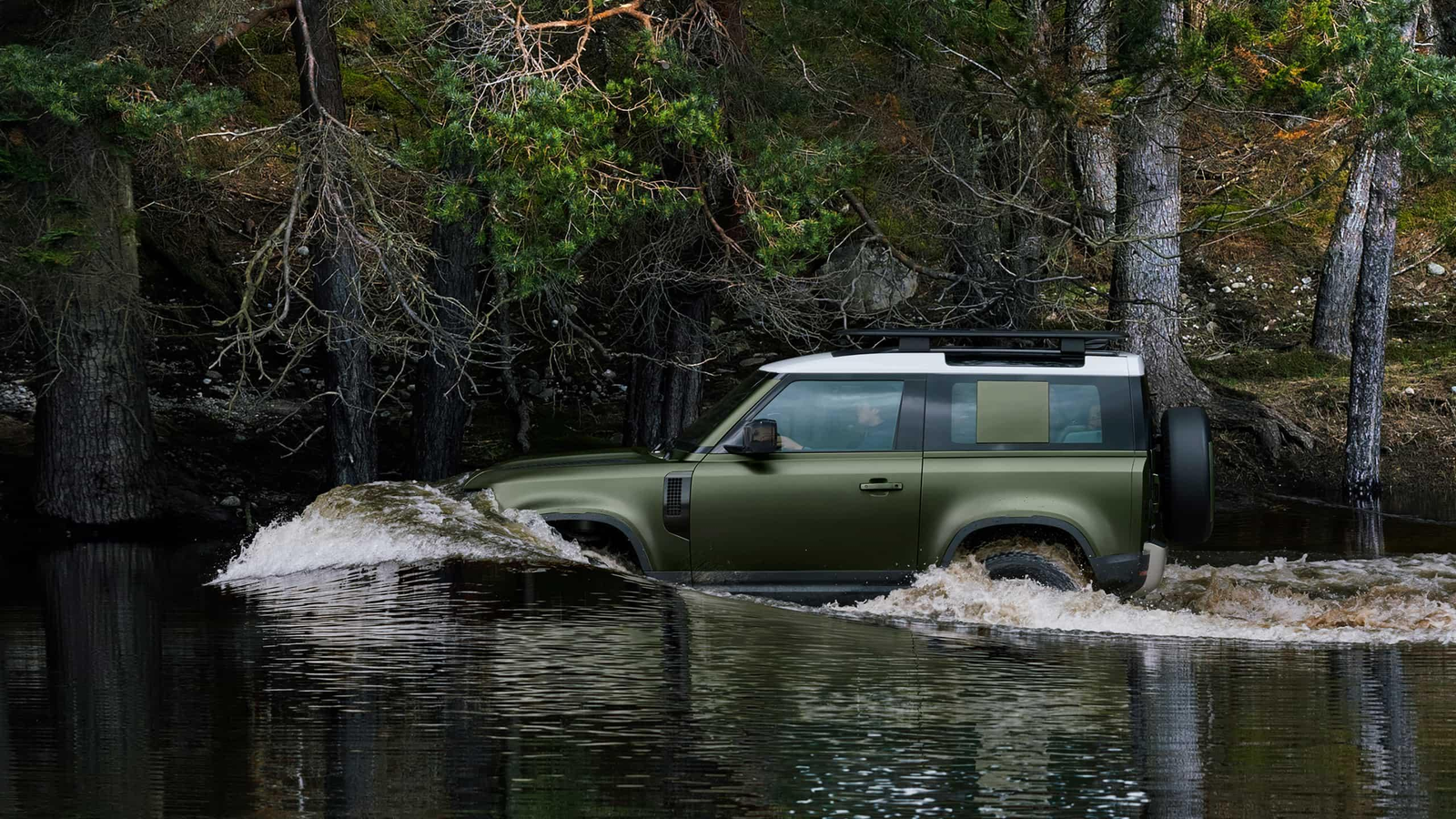
In an era where branding increasingly intersects with culture, partnerships are no longer just about visibility—they are about alignment. The renewed collaboration between Defender and the Fuji Rock Festival for 2026 reflects this shift with precision. It is not simply a sponsorship; it is a strategic convergence of identity, environment, and experience.
Set against the lush, mountainous terrain of Naeba in Japan, Fuji Rock Festival has long distinguished itself as more than just a music event. It is an immersive ecosystem where sound, nature, and sustainability coexist. With over 200 artists and thousands of attendees expected, the festival represents one of the largest outdoor cultural gatherings in Asia—yet it has consistently maintained a commitment to environmental responsibility.
This is precisely where Defender fits in.
A Natural Alignment of Philosophy
Defender’s brand identity has always been rooted in exploration and resilience. Known for vehicles engineered to navigate extreme terrains, the company has spent decades associating itself with adventure, durability, and the outdoors. By partnering again with Fuji Rock Festival, Defender is reinforcing a narrative that extends beyond automotive performance into cultural relevance.
The connection is not superficial. Both entities emphasize coexistence with nature—a principle that is increasingly rare in large-scale events. Fuji Rock, for instance, has implemented innovative sustainability initiatives, including recycling waste into usable materials such as toilet paper for future festivals. This circular approach to resource management positions the festival as a leader in environmentally conscious event planning.
Defender’s involvement amplifies this message. Rather than imposing a commercial presence, the brand integrates itself into the festival’s ethos, supporting logistics and infrastructure in a way that aligns with its own values of environmental stewardship.
The Evolution of Brand Partnerships
Festivals as Cultural Platforms
Traditional sponsorship models often prioritized visibility—logos on banners, product placements, and promotional booths. Today, that approach feels outdated. Audiences, particularly younger demographics, expect authenticity. They want brands to contribute meaningfully rather than simply advertise.
The Defender–Fuji Rock partnership exemplifies this evolution. Instead of dominating the visual landscape, Defender participates in the operational and experiential aspects of the festival. While specific activations for 2026 remain undisclosed, the emphasis is clearly on enhancing the overall environment rather than disrupting it.
This shift reflects a broader trend in experiential marketing. Brands are no longer external entities; they are embedded participants in cultural moments.
Sustainability as Strategy, Not Slogan
One of the most compelling aspects of this collaboration is its focus on sustainability—not as a marketing buzzword, but as a functional priority. Large festivals are notoriously resource-intensive, generating significant waste and environmental impact. Fuji Rock’s efforts to mitigate this—through recycling programs, forest preservation, and responsible infrastructure—set a benchmark for the industry.
Defender’s role in supporting these initiatives signals a strategic understanding of modern consumer expectations. Environmental responsibility is no longer optional; it is integral to brand credibility.
By aligning with a festival that actively implements sustainable practices, Defender positions itself as a brand that doesn’t just talk about responsibility—it participates in it.
Music, Mobility, and Meaning
At first glance, the connection between an automotive brand and a music festival may seem unconventional. But on closer inspection, the synergy becomes clear. Both are about movement—physical, emotional, and cultural.
Music festivals are journeys. Attendees travel, explore, and immerse themselves in new experiences. Defender, as a vehicle brand, facilitates that journey in a literal sense. The partnership, therefore, operates on both symbolic and practical levels.
It also reflects the diversification of brand identity. Defender is no longer just selling vehicles; it is selling a lifestyle—one that includes adventure, community, and cultural engagement.
Looking Ahead to Fuji Rock 2026
As anticipation builds for the July 2026 event, details of Defender’s specific contributions remain under wraps. However, this ambiguity adds to the intrigue. It suggests that the brand is preparing something experiential rather than purely promotional.
With a lineup spanning multiple genres and a setting that is as much a character as the performers themselves, Fuji Rock Festival continues to redefine what a music event can be. The addition of a partner like Defender enhances this vision, providing both logistical support and cultural resonance.
A Blueprint for Future Collaborations
The Defender–Fuji Rock partnership offers a glimpse into the future of brand collaborations. It demonstrates that the most effective partnerships are those grounded in shared values rather than transactional goals.
For brands, the lesson is clear: relevance comes from participation, not interruption.
For festivals, it highlights the importance of choosing partners that enhance rather than overshadow the experience.
And for audiences, it results in something far more meaningful—a space where music, nature, and innovation coexist seamlessly.
In a world increasingly driven by noise, collaborations like this stand out precisely because they are thoughtful. They don’t just capture attention—they earn it.
