

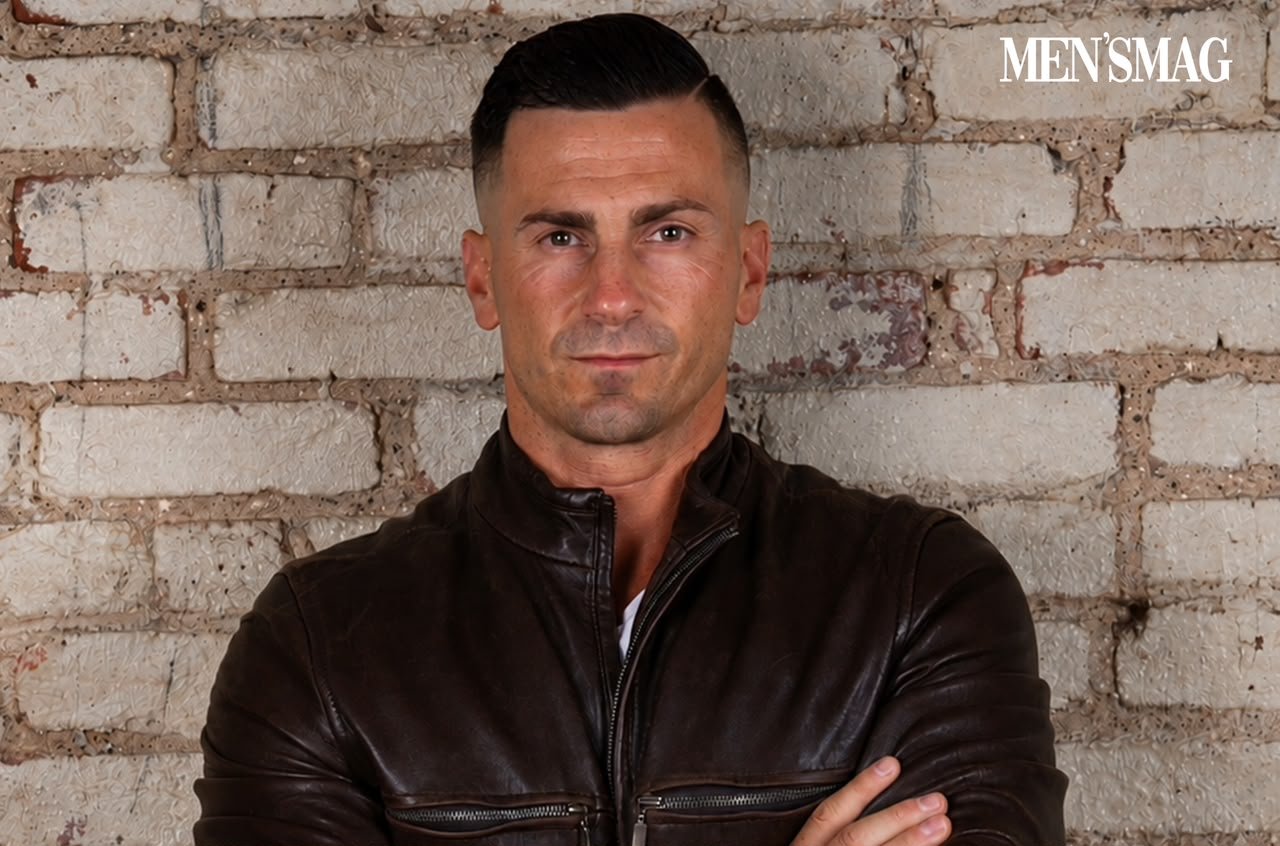
His one-of-a-kind Bad Ass Academy showcases a growing shift in the fitness industry, one where most attention is given to accountability, belonging, and mindset apart from physical strength and transformation.
Isn’t it always astonishing to learn about founders across sectors worldwide who lead with inspiration and work to revolutionize their niche whenever possible? It’s also essential to shed more light on the journeys of these high-performing talents, who consistently thrive in their industry for the genuine purpose of bringing about a wave of change through their work. Anthony Espo’s journey has been such, driven by the genuine intent to transform lives, which has been at the very core of everything he has ever chosen to do in his career.
In the world of fitness, there have been only a handful of professionals who have opted for unconventional approaches to set new benchmarks. This has drawn most people’s attention to a growing shift in the fitness industry, all about accountability, belonging, and mindset, apart from physical strength and transformation.
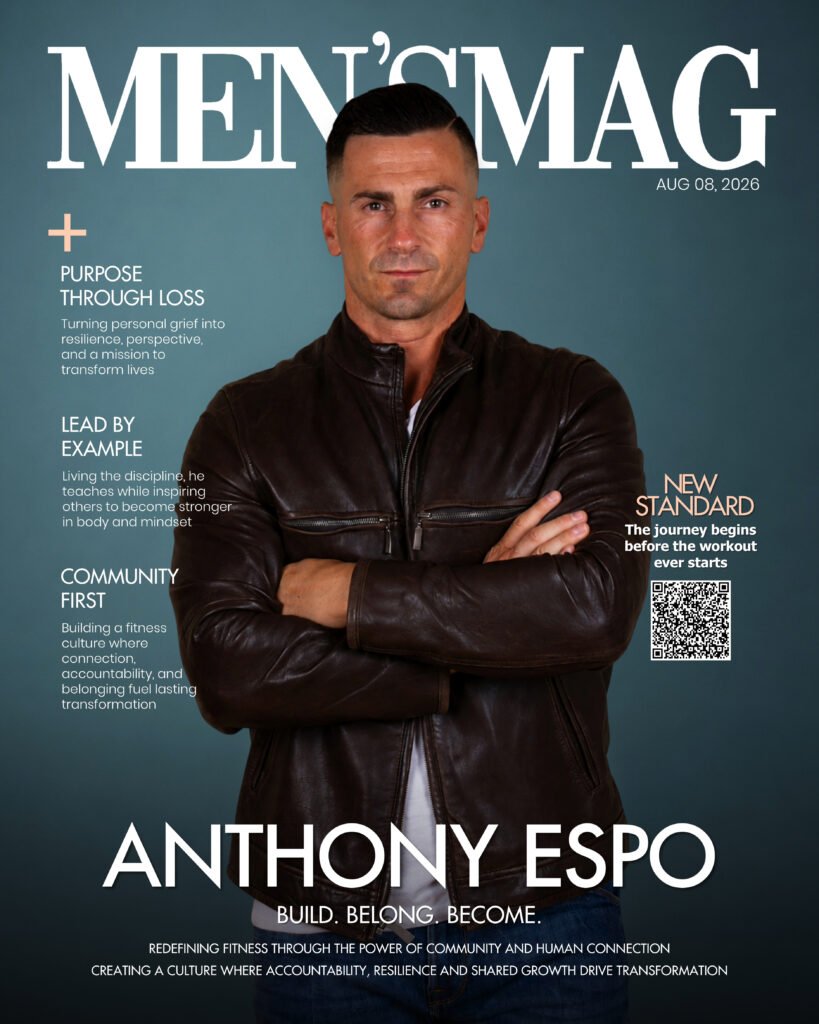
Many may question whether fitness is supposed to improve lives, and why do so many struggle to stay consistent? The answer may have less to do with exercise itself and more to do with something many fitness spaces may unintentionally overlook: a genuine sense of community. Anthony Espo, the founder of Bad Ass Academy’s approach, suggests that meaningful transformation often begins long before someone picks up a weight.
Talking about community being the strongest muscle in modern fitness, he explains that strength today is no longer defined by physical performance but by the power of human connection, accountability, and shared growth. In a world where many train in isolation and struggle with consistency, Espo’s work through his academy highlights how community becomes the driving force that keeps individuals committed, motivated, and emotionally supported. The idea of community becoming the strongest muscle symbolizes how relationships, encouragement, and collective energy often determine long-term success more than any single workout or program ever could.
His journey began much more simply, where for two years, he conducted free fitness sessions in a local park. There weren’t any premium memberships, sophisticated equipment, or commercial ambitions driving those early mornings and late nights. Instead, the focus was on helping anyone willing to show up consistently and invest in themselves. Looking back, those sessions went beyond being just workouts, becoming opportunities to understand people, their struggles, motivations, fears, and reasons for wanting to become healthier. This foundation later influenced the culture of Bad Ass Academy.
For Espo, leadership is all about demonstrating it himself rather than asking others to embrace discipline from the sidelines. His coaching philosophy is centered on leading by example, living the standards he encourages others to adopt. This approach has helped him build credibility, as people are usually more likely to trust advice when they see someone consistently practicing what they teach. It was also a personal loss that helped shape his journey like grief for many others as well. For Espo, losing his mother to cancer became one of those defining moments. He truly believes that from loss, purpose emerges, which has influenced both his coaching philosophy and the wider mission behind his work.
He went ahead to expand his message through his book, ‘WAHOOS iN Life: We All Have Our Own Shit iN Life.’ Rather than offering unrealistic promises or presenting life as obstacle-free, the book acknowledges a reality most people already understand that everyone carries personal challenges. The difference lies in how those challenges are approached. By combining personal reflections with practical lessons on resilience, responsibility, and perspective, the book encourages readers to view setbacks not as permanent roadblocks but as opportunities for growth.
Today, for Anthony Espo, fitness has become a vehicle for something much larger than workouts. It has become a way to help people discover discipline, resilience, and confidence, extending into everyday life.
