

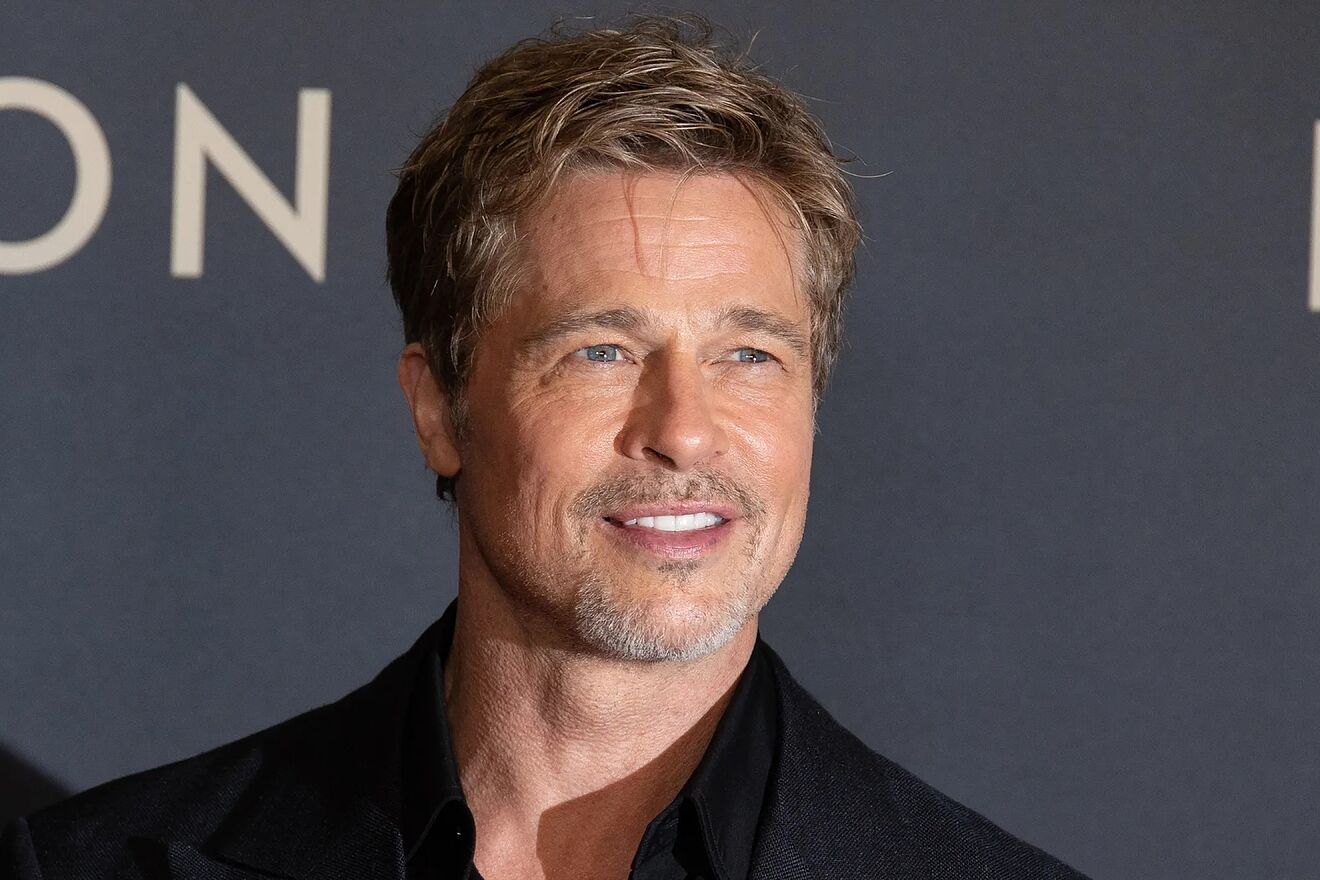
Few names in modern cinema carry the weight and recognition of Brad Pitt. Over a career spanning more than three decades, Pitt has transformed from a charismatic heartthrob into one of the most versatile and respected actors in the film industry. His journey reflects not only personal growth but also the changing dynamics of Hollywood itself.
Born on December 18, 1963, in Shawnee, Oklahoma, and raised in Springfield, Missouri, Pitt grew up in a traditional Midwestern household. He attended the University of Missouri, majoring in journalism with a focus on advertising. However, just two weeks before graduation, he made a bold decision that would alter the course of his life—he left college and moved to Los Angeles to pursue acting. This leap of faith would eventually pay off, but not without years of struggle and perseverance.
Pitt’s early career consisted of minor television roles and uncredited film appearances. His breakthrough came in 1991 with a brief yet unforgettable role in Thelma & Louise, where his portrayal of a charming drifter captured the attention of audiences and critics alike. This performance established him as a rising star and opened doors to more substantial roles.
Throughout the 1990s, Pitt demonstrated a willingness to take risks and avoid being typecast. Films like A River Runs Through It (1992), Legends of the Fall (1994), and Interview with the Vampire (1994) showcased his leading-man appeal. However, it was his role in Se7en (1995) that marked a turning point. In this dark psychological thriller, Pitt portrayed a determined detective, revealing a depth and intensity that challenged his earlier image.
His collaboration with director David Fincher continued with Fight Club (1999), a film that has since achieved cult status. Pitt’s portrayal of Tyler Durden—a rebellious, anarchic figure—remains one of his most iconic performances. The role demonstrated his ability to embody complex, morally ambiguous characters, solidifying his reputation as a serious actor.
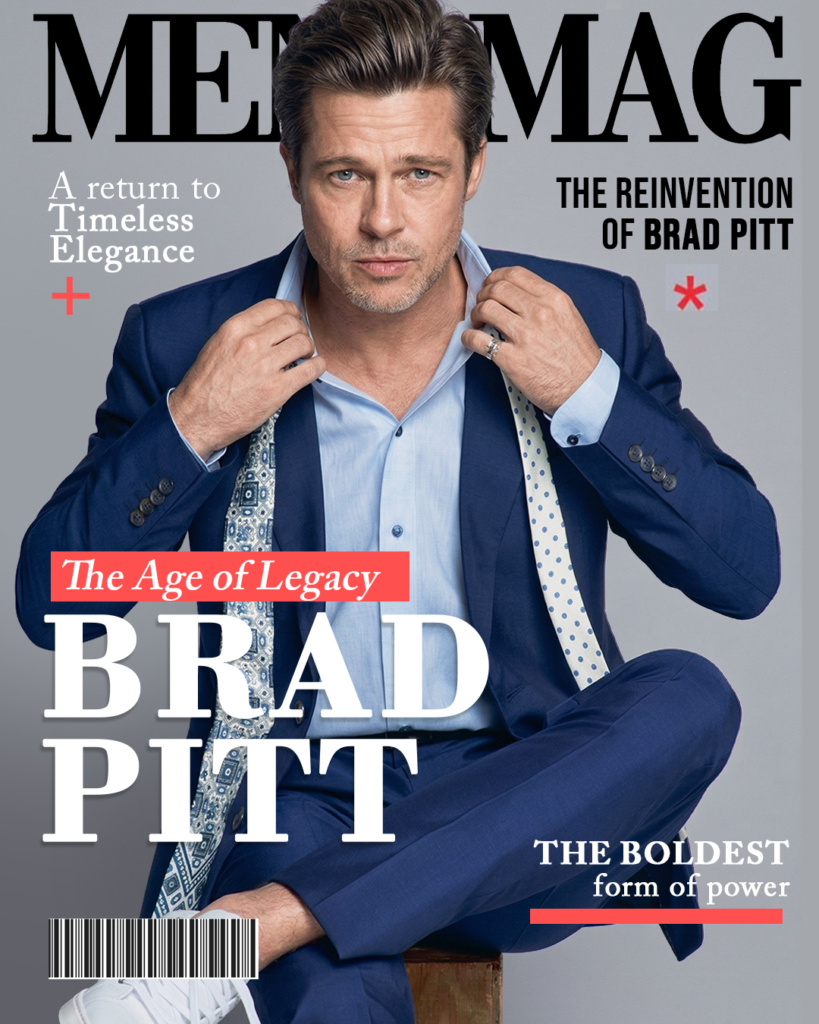
Entering the 2000s, Pitt balanced commercial success with critical acclaim. The Ocean’s Eleven trilogy showcased his charisma and comedic timing, while films like Babel (2006) and The Assassination of Jesse James by the Coward Robert Ford (2007) highlighted his dramatic range. His performance as Jesse James, in particular, earned widespread praise for its subtlety and nuance.
Beyond acting, Pitt has made a significant impact as a producer. Through his production company, Plan B Entertainment, he has been involved in critically acclaimed films such as 12 Years a Slave (2013), which won the Academy Award for Best Picture. This aspect of his career underscores his commitment to storytelling and his ability to identify compelling narratives.
Pitt’s dedication to his craft reached new heights with his role in The Curious Case of Benjamin Button (2008), where he portrayed a man aging in reverse. The performance required not only emotional depth but also technical adaptability, as the film relied heavily on visual effects. His work earned him an Academy Award nomination and further cemented his status as a leading actor.
In 2019, Pitt delivered one of the most celebrated performances of his career in Once Upon a Time in Hollywood, directed by Quentin Tarantino. Playing stuntman Cliff Booth, Pitt combined effortless charm with understated complexity. The role earned him his first Academy Award for Best Supporting Actor, a milestone that reflected decades of dedication and evolution.
Off-screen, Pitt’s life has often been the subject of intense media scrutiny. His relationships, particularly with high-profile actresses, have kept him in the public eye. Despite this, he has maintained a focus on his work and philanthropic efforts. He has been actively involved in humanitarian causes, including rebuilding efforts in New Orleans after Hurricane Katrina through his Make It Right Foundation.
What sets Brad Pitt apart is not just his talent but his adaptability. In an industry that often favors youth and typecasting, he has continually reinvented himself. From romantic leads to complex antiheroes, and from actor to producer, Pitt has navigated the shifting landscape of Hollywood with remarkable skill.
Today, Brad Pitt stands as a symbol of longevity and artistic integrity in cinema. His career serves as a testament to the power of persistence, risk-taking, and continuous growth. As he continues to take on new projects and explore different facets of filmmaking, his legacy remains firmly intact—one of a performer who not only captivated audiences but also elevated the craft of acting itself.
In the ever-evolving world of entertainment, few figures manage to remain relevant across generations. Brad Pitt is one of those rare individuals. His journey from a small-town dreamer to a global icon is not just inspiring—it is a blueprint for success in a competitive and unpredictable industry.
