

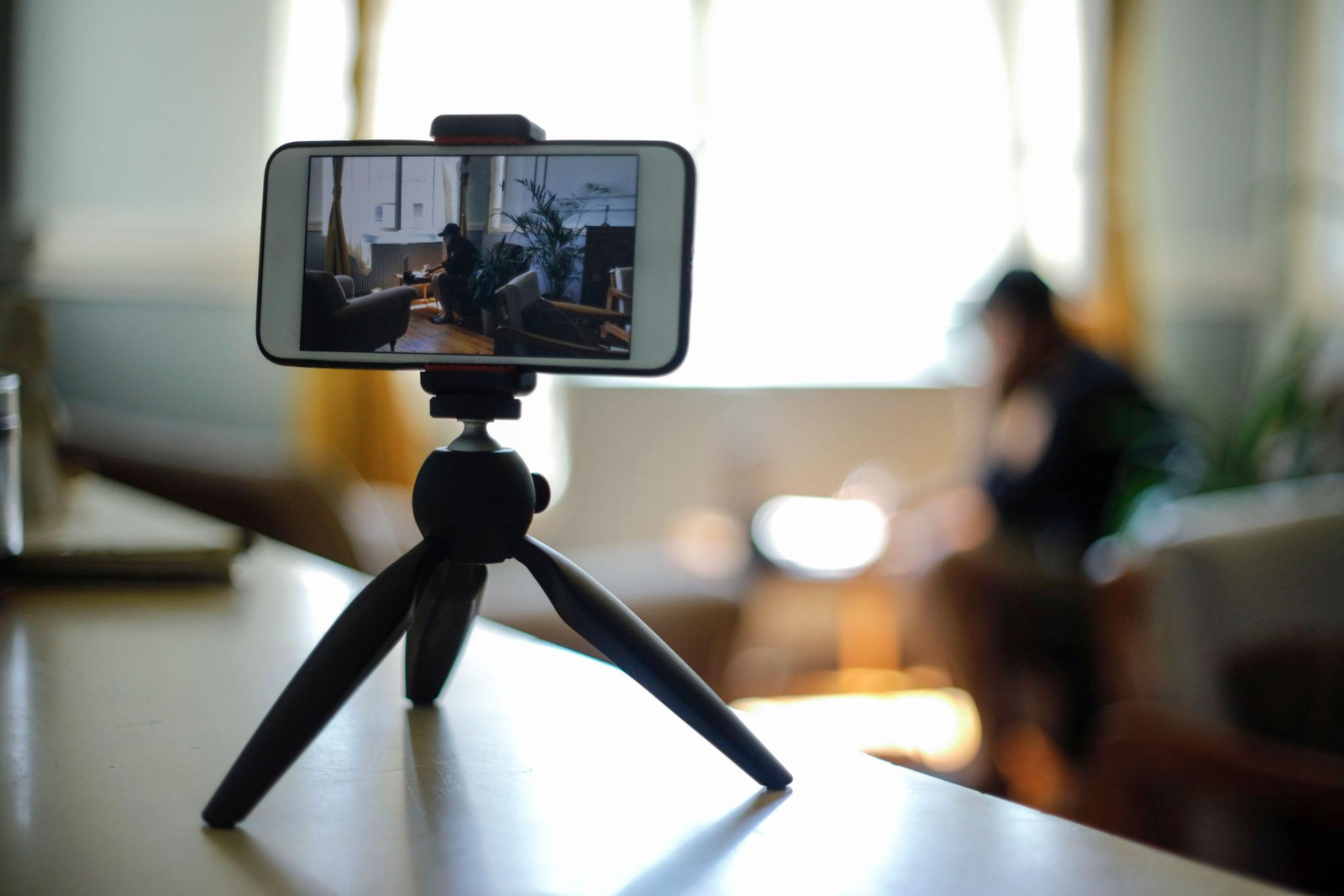
In the fast-evolving world of content creation, the difference between amateur and professional output often comes down to one factor: camera quality. While smartphones have made massive strides in photography and video capabilities, one limitation has remained stubbornly consistent—the gap between rear and front cameras. Now, Insta360 aims to close that gap with the introduction of the Snap, a compact accessory designed to transform how creators shoot on mobile devices.
At first glance, the Snap appears simple: a 3.5-inch external display that attaches magnetically to the back of a smartphone. But its implications for creators are far more significant. It effectively turns a phone’s most powerful rear camera into a fully usable front-facing system—without compromise.
Solving a Fundamental Problem
For years, content creators have faced a trade-off. Use the front camera for convenience and framing, or switch to the rear camera for superior image quality at the cost of visibility. The Snap eliminates this dilemma entirely.
By mirroring the phone’s display in real time, the device allows users to frame shots, adjust settings, and monitor recordings while using the rear camera. This seemingly straightforward feature addresses one of the most persistent inefficiencies in mobile content creation.
For vloggers, streamers, and social media creators, this translates into sharper visuals, better color accuracy, and more professional-looking footage—all without needing a separate camera setup.
Hardware That Prioritizes Practicality
Compact, Functional, and Creator-Focused
The Snap’s design reflects a clear understanding of creator workflows. It connects via USB-C, ensuring low-latency performance and eliminating the lag often associated with wireless mirroring. This wired connection also draws power directly from the phone, removing the need for additional batteries or charging cycles.
The magnetic mounting system—compatible with MagSafe and similar technologies—adds another layer of convenience. Users can attach or detach the device instantly, making it ideal for on-the-go shooting.
For those seeking enhanced lighting control, a premium version includes a built-in fill light with adjustable brightness and color temperature. This feature is particularly valuable for indoor or low-light environments, where lighting often determines the quality of the final output.
A Shift Toward Mobile-First Production
The Snap’s release highlights a broader industry trend: the shift toward mobile-first content creation. Traditional camera setups—DSLRs, mirrorless systems, external monitors—are increasingly being replaced or supplemented by smartphones.
This transition is driven by several factors:
- Portability: Smartphones are inherently easier to carry and use in dynamic environments.
- Connectivity: Instant access to editing tools and social platforms streamlines the production process.
- Cost Efficiency: Mobile setups are significantly more affordable than traditional camera rigs.
By enhancing smartphone capabilities rather than replacing them, Insta360 positions the Snap as an enabler of this transition.
Lowering the Barrier to Entry
One of the most compelling aspects of the Snap is its accessibility. Priced under $100, it democratizes a feature that previously required expensive equipment. External monitors, for instance, are standard in professional filmmaking but are rarely practical for casual creators.
With the Snap, that level of control becomes available to a much wider audience. Aspiring creators can now produce higher-quality content without investing in complex gear setups.
This aligns with a broader democratization of media production. As tools become more accessible, the distinction between amateur and professional content continues to blur.
The Competitive Landscape
The mobile accessory market is crowded, with countless products promising to enhance smartphone functionality. However, few address such a specific and widely experienced pain point.
The Snap’s competitive advantage lies in its clarity of purpose. It does one thing—enable rear-camera vlogging—and does it effectively. This focus differentiates it from more generalized accessories that often sacrifice usability for versatility.
Moreover, its integration with existing smartphone ecosystems ensures compatibility without requiring users to overhaul their setup.
Limitations and Considerations
Despite its strengths, the Snap is not without limitations. Compatibility is restricted to devices that support USB-C video output, which may exclude some older models. Additionally, the reliance on wired connectivity, while beneficial for performance, could be seen as less convenient compared to wireless solutions.
However, these trade-offs are largely justified by the performance gains. For creators prioritizing quality and reliability, the benefits outweigh the constraints.
The Future of Creator Tools
Insta360’s Snap represents more than just a new accessory—it signals a shift in how content creation tools are विकसित. Instead of building entirely new systems, companies are increasingly enhancing devices that users already own.
This approach is both practical and scalable. It allows creators to upgrade their capabilities incrementally, rather than investing in entirely new ecosystems.
As smartphones continue to evolve, accessories like the Snap will play a crucial role in unlocking their full potential.
Conclusion: A Small Device With Big Impact
In a landscape defined by constant innovation, the most impactful products are often those that solve simple problems effectively. The Insta360 Snap does exactly that.
By enabling creators to harness the full power of their smartphone cameras, it removes a long-standing limitation and opens new possibilities for mobile storytelling.
For a generation of creators who rely on speed, flexibility, and quality, that’s not just an upgrade—it’s a transformation.
