

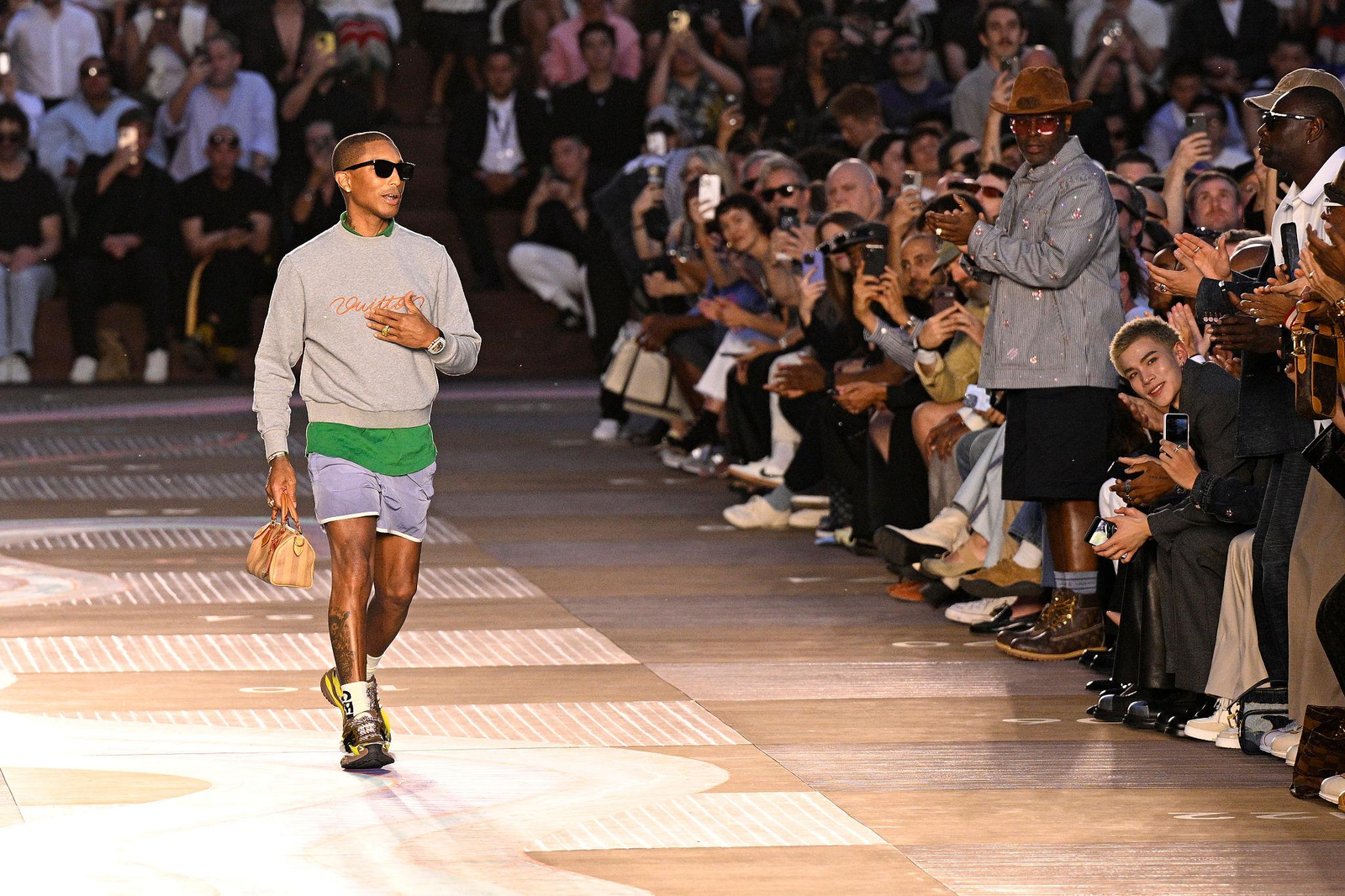
Menswear today is being shaped not just by trends, but by the vision of a handful of powerful designers who are redefining what modern masculinity looks like on the runway. From Paris to Milan, these creative leaders are pushing boundaries, blending cultures, and setting the tone for the future of men’s fashion.
At the forefront is Jonathan Anderson, whose work at Loewe has become synonymous with experimentation. Anderson approaches menswear as a form of art, introducing sculptural silhouettes, unexpected proportions, and a fearless use of materials. His designs challenge traditional ideas of tailoring, encouraging men to embrace individuality and creativity.
Equally influential is Pharrell Williams at Louis Vuitton. Since stepping into his role, Pharrell has transformed the runway into a cultural platform, merging music, streetwear, and luxury fashion. His shows are not just about clothes—they are global events that reflect the intersection of fashion and pop culture. Bright colors, relaxed tailoring, and statement accessories define his approach, making menswear more accessible and expressive.
Then there is Miuccia Prada, a designer whose influence remains unmatched. At Prada, she continues to refine the idea of minimalism, proving that simplicity can be powerful. Her menswear collections focus on clean lines, relaxed silhouettes, and intellectual design, offering a quiet yet impactful alternative to more extravagant styles.
At Dior, Kim Jones has mastered the balance between heritage and innovation. His work combines traditional tailoring with contemporary influences, often incorporating collaborations with artists and designers. The result is a sophisticated yet modern aesthetic that resonates with a global audience.
Meanwhile, Demna at Balenciaga continues to provoke and disrupt. Known for his oversized silhouettes and unconventional presentations, Demna challenges the very concept of luxury fashion. His designs often blur the line between irony and innovation, forcing the industry to rethink its norms.
What unites these designers is their ability to tell stories through fashion. Each runway show becomes a narrative—whether it’s about identity, culture, or the future of style. They are not just creating clothes; they are shaping how men see themselves and how they choose to present themselves to the world.
Another key factor behind their dominance is their understanding of the modern audience. Today’s consumers are looking for more than just aesthetics—they want meaning, authenticity, and a connection to the brands they wear. These designers deliver exactly that, using their platforms to engage with broader cultural conversations.
As menswear continues to evolve, these creative leaders will remain at the center of the conversation. Their influence extends beyond the runway, shaping everything from street style to retail trends. In many ways, they are not just responding to change—they are driving it.
And right now, they are defining what it means to dress like a modern man.
