

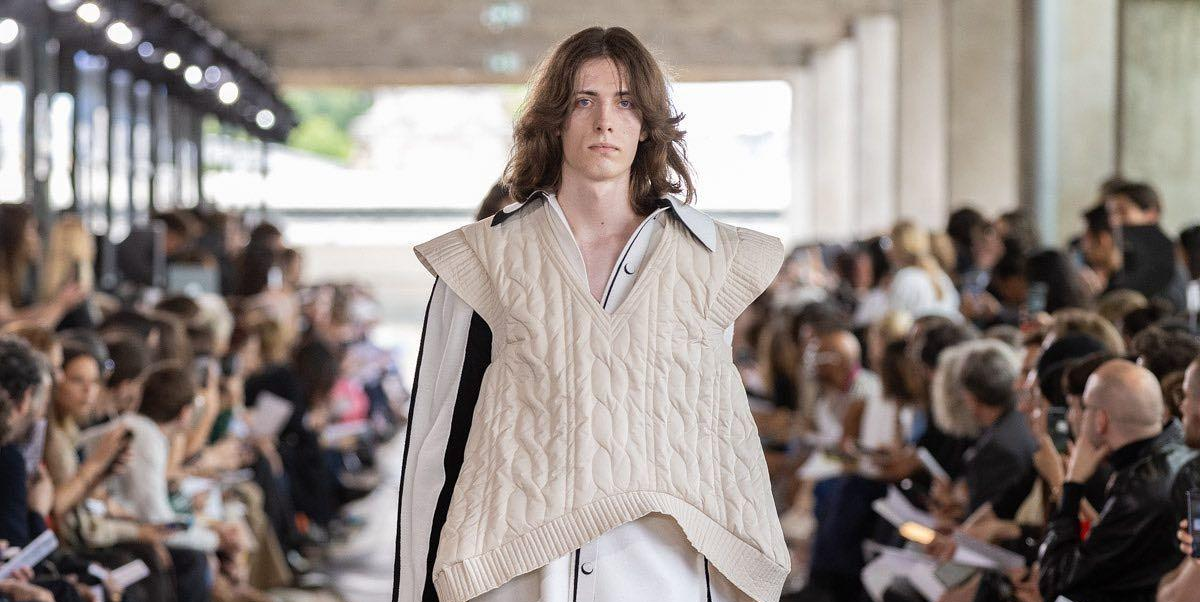
Menswear is no longer playing it safe—and nowhere is that more evident than on today’s runways. From Paris Fashion Week to Milan Fashion Week, designers are reshaping the very foundation of what men’s fashion looks and feels like. The “new era” of menswear runways is defined by freedom: freedom of silhouette, expression, and identity.
For decades, men’s fashion shows followed a predictable formula—structured suits, neutral palettes, and a clear boundary between formal and casual. But that framework is rapidly dissolving. Today, designers like Jonathan Anderson and Miuccia Prada are pushing boundaries, introducing softer tailoring, fluid fabrics, and silhouettes that prioritize comfort without sacrificing sophistication. Oversized blazers, wide-leg trousers, and relaxed fits are no longer trends—they are becoming the new standard.
One of the most defining shifts on the runway is the rejection of rigid tailoring. Traditional suits, once synonymous with masculinity, are being reinterpreted with a lighter, more expressive touch. Jackets drape rather than restrict, trousers flow rather than cling, and layering has become an art form. This evolution reflects a broader cultural shift where men are embracing individuality over conformity.
At the same time, the influence of streetwear continues to reshape luxury fashion. Brands like Louis Vuitton and Balenciaga have blurred the lines between high fashion and everyday wear. Hoodies appear alongside tailored coats, sneakers replace formal shoes, and utility-inspired pieces find their place in luxury collections. The runway is no longer just aspirational—it’s increasingly relatable.
Another key element of this new era is storytelling. Fashion shows today are not just about clothes; they are immersive experiences. From dramatic set designs to curated soundtracks, designers are using the runway as a platform to communicate ideas, emotions, and cultural commentary. Pharrell Williams, for instance, has brought a distinct cultural narrative to his shows at Louis Vuitton, merging music, art, and fashion into a cohesive vision.
Color and fabric experimentation have also taken center stage. While black, navy, and grey still exist, they now share space with bold hues, metallic finishes, and unexpected textures. Sheer fabrics, satin, and even traditionally “feminine” materials are being incorporated into menswear, challenging long-held norms about what men can or should wear.
Perhaps the most important change, however, is the shift in mindset. The modern menswear runway is no longer about dictating rules—it’s about offering possibilities. Designers are encouraging men to explore, to experiment, and to define their own style narratives. This democratization of fashion is what makes the current moment so powerful.
In many ways, the runway is acting as a mirror to society. As conversations around identity, gender, and self-expression evolve, so too does fashion. The new era of menswear is not just about clothes—it’s about confidence, creativity, and breaking boundaries.
And if the latest shows are any indication, this is only the beginning.
