

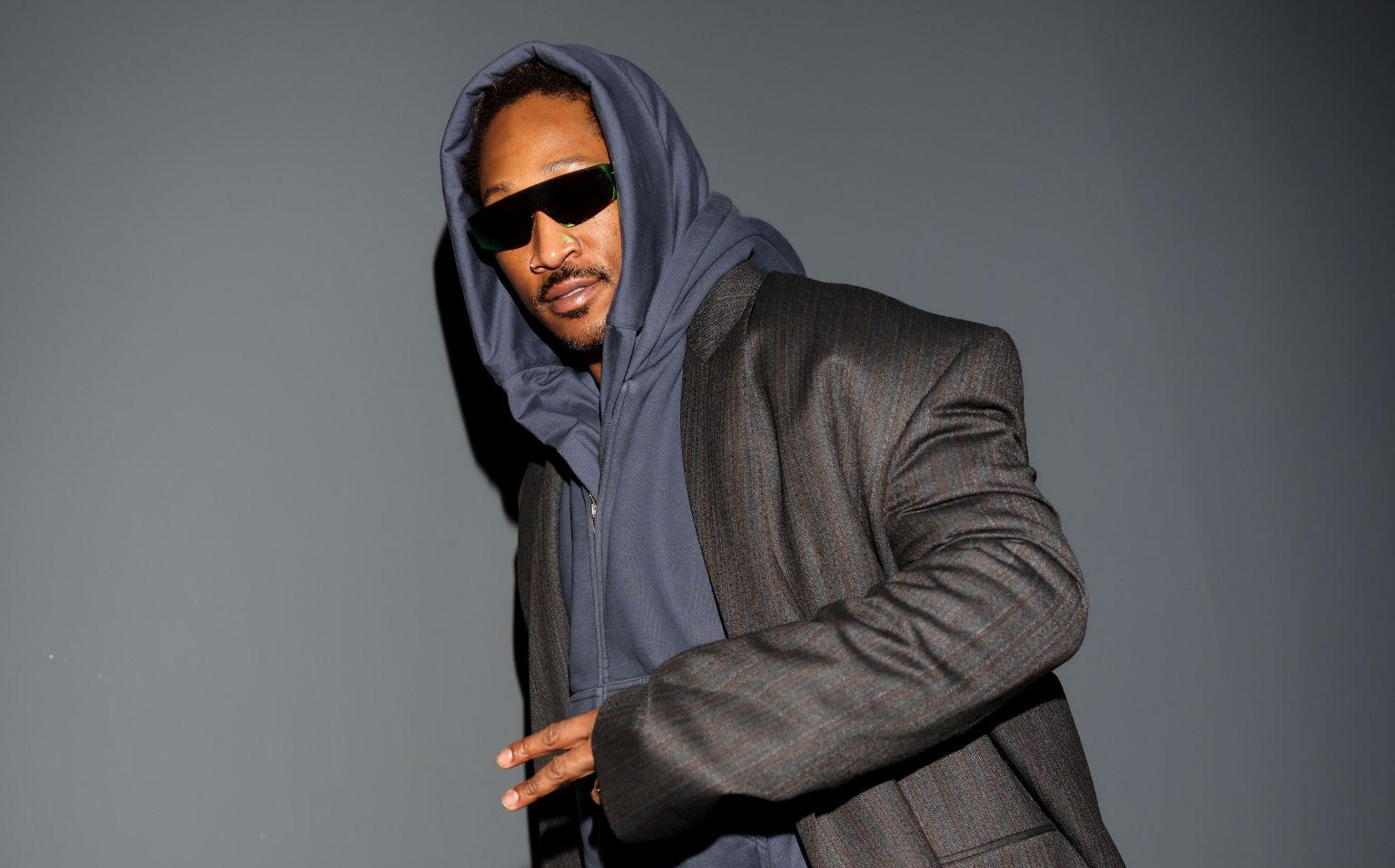
For years, the fashion industry framed streetwear and luxury as opposites—one rooted in youth culture and rebellion, the other in heritage and refinement. But on today’s menswear runways, that divide is no longer so clear. Instead, what we’re witnessing is a dynamic fusion, where the lines between streetwear and luxury are not just blurred—they’re being completely redefined.
At the center of this evolution are brands like Louis Vuitton and Balenciaga, which have successfully merged these two worlds. Under the creative direction of Pharrell Williams, Louis Vuitton has embraced a more relaxed, culturally driven aesthetic. Hoodies, varsity jackets, and sneakers now sit comfortably alongside tailored coats and luxury accessories. The result is a wardrobe that feels both aspirational and accessible.
Meanwhile, Balenciaga, led by Demna, continues to push the boundaries of what luxury can look like. Oversized silhouettes, distressed fabrics, and intentionally “imperfect” designs challenge traditional notions of craftsmanship. Yet, despite their raw aesthetic, these pieces carry the price tags and prestige of high fashion—proving that luxury today is as much about concept as it is about construction.
This shift didn’t happen overnight. The influence of streetwear has been building for over a decade, driven by cultural movements, music, and the rise of global youth identity. What’s changed now is that luxury fashion has fully embraced this influence, rather than resisting it. The runway has become a space where both worlds coexist, creating a new hybrid language of style.
One of the most noticeable outcomes of this fusion is versatility. A single outfit might combine a sharply tailored blazer with relaxed trousers and chunky sneakers. Formalwear is no longer confined to formal settings, and casual pieces are elevated through premium materials and design. This flexibility reflects how modern men actually dress—mixing high and low, classic and contemporary.
Another key factor is storytelling. Streetwear has always been deeply connected to culture, whether through music, art, or social movements. By integrating these elements into luxury fashion, designers are able to create collections that feel relevant and emotionally resonant. The runway becomes more than just a showcase—it becomes a cultural statement.
However, the question remains: who’s really winning this battle? The answer is neither side. Instead, the real winner is the evolution itself. Streetwear has gained legitimacy within the luxury space, while luxury fashion has become more inclusive and adaptable. Both have influenced each other to the point where they are no longer separate categories.
For consumers, this means greater freedom. There are no longer strict rules about how to dress or what defines good style. A hoodie can be just as significant as a tailored suit, depending on how it’s worn. Personal expression has taken precedence over tradition.
Looking ahead, this fusion is only expected to deepen. As new designers and cultural influences emerge, the relationship between streetwear and luxury will continue to evolve. What was once a battle has become a collaboration—and it’s reshaping menswear in the process.
In today’s fashion landscape, it’s not about choosing sides. It’s about embracing the blend.
